
SECTION 1: IDENTIFICATION
Product Name: Uranium Metal
Synonyms: Uranium; Uranium (U); Uranium I
CAS Number: 7440-61-1
EC Number: 231-170-6
Molecular Formula: U
Molecular Weight: 238.03 g/mol (natural uranium reference)
Recommended Use: Laboratory use, research, and industrial applications.
Restrictions on Use: For use by trained personnel only. Radioactive material must be handled in accordance with applicable radiation protection and licensing requirements.
Supplier:
International Bio-Analytical Industries, Inc.
3495 N. Dixie Hwy., Unit 8
Boca Raton, FL 33431 USA
Tel: 561-826-0061
Fax: 561-892-8450
Emergency Telephone Number:
INFOTRAC — USA & Canada: 1-800-535-5053
INFOTRAC — International: 1-352-323-3500
SECTION 2: HAZARD(S) IDENTIFICATION
GHS Classification:
Pyrophoric solid, Category 1 — applicable to finely divided uranium metal, powder, turnings, or other forms demonstrated to meet the pyrophoric criterion.
Acute toxicity, Oral, Category 2.
Acute toxicity, Inhalation, Category 2.
Specific target organ toxicity — repeated exposure, Category 2 (kidneys and other organs affected by prolonged/repeated exposure).
Hazardous to the aquatic environment, Chronic Category 2 — working classification based on available substance data; product-specific environmental classification should be confirmed.
Signal Word: DANGER
GHS Pictograms:
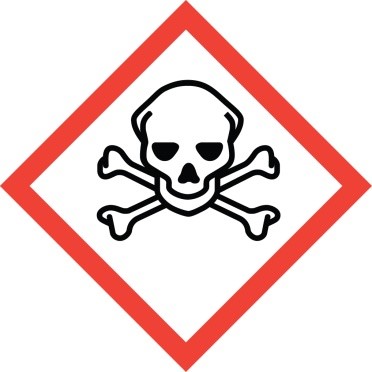
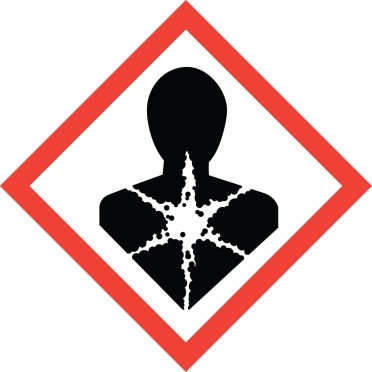
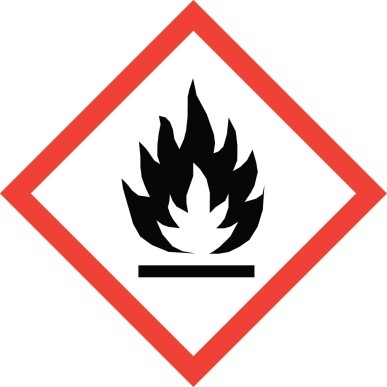
Supplemental Radiological Warning:

Radiation caution symbol
The radiation caution symbol is a supplemental radiological warning and is not a GHS pictogram.
Hazard Statements:
H250: Catches fire spontaneously if exposed to air. (Applies to pyrophoric forms such as finely divided metal, powder, or turnings.)
H300: Fatal if swallowed.
H330: Fatal if inhaled.
H373: May cause damage to organs through prolonged or repeated exposure.
H411: Toxic to aquatic life with long-lasting effects. (Working environmental classification; verify against product-specific data.)
Precautionary Statements:
P210: Keep away from heat, hot surfaces, sparks, open flames and other ignition sources. No smoking.
P220: Keep away from clothing and other combustible materials.
P260: Do not breathe dust or fumes.
P264: Wash thoroughly after handling.
P270: Do not eat, drink or smoke when using this product.
P273: Avoid release to the environment.
P284: [In case of inadequate ventilation] wear respiratory protection.
P301+P316: IF SWALLOWED: Get emergency medical help immediately.
P304+P340: IF INHALED: Remove person to fresh air and keep comfortable for breathing.
P370+P378: In case of fire: Use appropriate Class D metal-fire extinguishing agent, dry sand, or other agent specifically approved for uranium metal fires.
P403+P233: Store in a well-ventilated place. Keep container tightly closed when applicable.
P405: Store locked up.
P501: Dispose of contents/container in accordance with applicable radioactive-material and hazardous-waste regulations.
Other Hazards:
Radioactive material. Uranium is primarily an alpha-emitting radionuclide series material; internal contamination is a principal radiological concern.
Finely divided uranium metal is highly reactive/pyrophoric. Moisture contacting uranium metal can generate hydrogen, particularly with finely divided material.
Radioactive hazards are controlled separately from GHS chemical hazards under applicable radiation-protection requirements.
SECTION 3: COMPOSITION / INFORMATION ON INGREDIENTS
Substance: Uranium metal
CAS: 7440-61-1
EC: 231-170-6
Formula: U
Purity: ≥99%
Note: Isotopic composition must be verified for the specific product. Natural and depleted uranium are source material under the NRC framework; enriched uranium may be subject to different regulatory controls.
SECTION 4: FIRST-AID MEASURES
General: Obtain immediate medical evaluation following ingestion or significant inhalation exposure. For radioactive contamination, contact the facility Radiation Safety Officer (RSO) and follow the site’s radiological emergency procedure.
Inhalation: Move person to fresh air and keep comfortable for breathing. Avoid exposing rescuers to contamination. Obtain emergency medical attention. Medical/radiological evaluation should address both chemical toxicity and internal contamination.
Skin Contact: Remove contaminated clothing. Wash skin thoroughly with soap and water. Prevent spread of contamination. Obtain medical/radiological evaluation if significant contamination occurred.
Eye Contact: Rinse cautiously with water for at least 15 minutes. Remove contact lenses if present and easy to do. Obtain medical attention.
Ingestion: Rinse mouth. Do not induce vomiting unless directed by medical personnel or a poison center. Obtain emergency medical attention immediately.
Most Important Symptoms/Effects: Acute ingestion or inhalation may produce severe systemic toxicity. Prolonged or repeated exposure may damage the kidneys and other organs. Internal contamination also presents a radiological hazard that may produce delayed effects.
Notes to Physician: Treat chemical exposure and radiological contamination as separate but concurrent hazards. Consult the site’s radiation protection program and qualified health physics personnel.
SECTION 5: FIRE-FIGHTING MEASURES
Suitable Extinguishing Media: For burning finely divided uranium, use a Class D/metal-fire extinguishing agent specifically suitable for uranium or an approved dry inert material such as dry sand, as established by the facility fire-response plan.
Unsuitable Extinguishing Media: Water spray, carbon dioxide, and halon-type agents are not effective for uranium metal fires and may create additional hazards. Water may react with hot uranium and generate hydrogen.
Specific Hazards: Finely divided uranium may ignite spontaneously in air. Burning uranium can generate uranium oxide fumes and may produce hydrogen when moisture contacts hot metal.
Special Protective Equipment: Firefighters should use positive-pressure SCBA and full protective clothing appropriate for radioactive contamination and metal-fire hazards.
Fire-Fighting Guidance: Do not disturb burning uranium powder/turnings. Isolate the area, control access, and follow the facility’s radiological and combustible-metal fire procedures.
SECTION 6: ACCIDENTAL RELEASE MEASURES
Personal Precautions: Evacuate or isolate the affected area as appropriate. Avoid generating or inhaling dust. Keep ignition sources away from finely divided material. Only trained personnel using appropriate chemical and radiological PPE should conduct cleanup.
Protective Equipment: Use appropriate gloves, protective clothing, eye/face protection, and respiratory protection when required by the exposure assessment and radiation protection program.
Methods for Containment/Cleanup: Avoid dust generation. Collect solid metal or debris using methods and tools approved by the facility. Do not use procedures that can create sparks or disperse radioactive contamination. Place recovered material in a compatible, properly labeled radioactive-material container.
Radiological Controls: Notify the Radiation Safety Officer/health physics personnel. Survey the area and personnel as required. Prevent release to drains, soil, or surface water.
Environmental Precautions: Prevent environmental release. Uranium is radioactive and may present chemical and radiological environmental hazards.
SECTION 7: HANDLING AND STORAGE
Handling: Handle only by trained personnel under an approved uranium/radiological safety program. Use containment and local exhaust ventilation where dust may be generated. Avoid operations that generate fine particles unless specifically controlled.
Handling of Finely Divided Material: Maintain conditions that minimize ignition and hydrogen accumulation. Use inert atmosphere/glovebox controls when required by the process.
Storage: Keep containers closed and secured against unauthorized removal. Store in a controlled area under conditions appropriate to the physical form and radiological classification. Keep finely divided material away from ignition sources and incompatible materials.
Radiological Security: Store radioactive material in accordance with the applicable NRC/Agreement State license and facility radiation protection program.
SECTION 8: EXPOSURE CONTROLS / PERSONAL PROTECTION
OSHA PEL: 0.25 mg/m³ as U, 8-hour TWA for insoluble uranium compounds (29 CFR 1910.1000, Table Z-1).
NIOSH REL: 0.2 mg/m³ as U, 8-hour TWA; 0.6 mg/m³ short-term limit for insoluble uranium compounds.
NIOSH IDLH: 10 mg U/m³ for insoluble uranium compounds/uranium metal.
Radiological Airborne Controls: OSHA 29 CFR 1910.1096(c) requires airborne radioactive material in restricted areas to be controlled against the applicable limits in 10 CFR Part 20, Appendix B, Table 1, as applicable.
Engineering Controls: Local exhaust ventilation, enclosed handling, glovebox/containment systems, and process controls designed to prevent dust generation and radioactive contamination.
Respiratory Protection: Use a NIOSH-approved respirator selected under a written respiratory protection program when engineering/work-practice controls are insufficient. For radiological work, respirator selection and use must be coordinated with the radiation protection program.
Eye/Face Protection: Chemical splash/goggle protection or face protection as dictated by the operation.
Skin Protection: Protective gloves and clothing selected for the task and contamination-control requirements.
Radiation Protection: Follow the applicable NRC/Agreement State license, 10 CFR Part 20, facility ALARA program, personnel monitoring requirements, contamination-control procedures, and RSO instructions.
SECTION 9: PHYSICAL AND CHEMICAL PROPERTIES
Physical State: Solid metal
Appearance: Silver-white to silvery-gray, lustrous metal
Odor: None/odorless
Molecular Formula: U
Molecular Weight: 238.03 g/mol (natural uranium reference)
Melting Point: Approximately 1132 °C
Boiling Point: Approximately 3818 °C
Density: Approximately 19.05 g/cm
Solubility in Water: Insoluble
Vapor Pressure: Approximately 0 mm Hg at ambient temperature
Flammability: Bulk uranium metal is not readily ignitable under ordinary conditions; finely divided uranium metal, powder, and turnings are combustible/pyrophoric.
Explosive Properties: Not classified as an explosive. Fine particulate may create fire and dust hazards.
Oxidizing Properties: None known.
SECTION 10: STABILITY AND REACTIVITY
Reactivity: Finely divided uranium metal is highly reactive and may be pyrophoric. Uranium can react with moisture and may generate hydrogen, especially in finely divided forms.
Chemical Stability: Stable under recommended storage conditions and when protected from incompatible conditions.
Conditions to Avoid: Air exposure for pyrophoric forms, moisture, heat, ignition sources, and operations that generate fine dust.
Incompatible Materials: Oxidizers, halogens, strong acids, moisture/water under fire or reactive conditions, and other materials identified by the facility process hazard analysis.
Hazardous Decomposition Products: Uranium oxides and other uranium-containing fumes; hydrogen may be generated when moisture contacts hot/fine uranium.
SECTION 11: TOXICOLOGICAL INFORMATION
Likely Routes of Exposure: Inhalation, ingestion, and skin/eye contact with contaminated material; inhalation and ingestion are the principal routes of systemic/internal exposure.
Acute Toxicity: Available hazard classifications identify uranium metal as Acute Toxicity Category 2 by the oral and inhalation routes.
Target Organ Effects: Kidneys are a principal chemical toxicity target. Other effects may involve the respiratory system, blood-forming tissues, and lymphatic tissues depending on exposure.
Repeated Exposure: Prolonged or repeated exposure may cause organ damage.
Carcinogenicity: NIOSH identifies insoluble uranium compounds as potential occupational carcinogens. Cancer risk is also associated with internal exposure to alpha-emitting uranium and radioactive decay products.
Radiological Effects: Internal deposition can result in prolonged irradiation of tissues. Radiological risk depends on isotope, chemical/physical form, intake route, activity, and biokinetics.
Numerical Toxicity Data: Product-specific LD50/LC50 data were not established in the supplied information.
SECTION 12: ECOLOGICAL INFORMATION
Ecotoxicity: Uranium is radioactive and can have chemical toxicity to aquatic organisms. The supplied working classification is Aquatic Chronic Category 2.
Persistence/Degradability: Uranium is an element and therefore is not biodegradable in the conventional sense. Environmental behavior depends strongly on chemical form, oxidation state, pH, and geochemistry.
Bioaccumulative Potential: Uranium can be taken up by organisms; environmental behavior is site- and chemistry-dependent.
Mobility in Soil: Depends on chemical form and geochemical conditions.
Other Adverse Effects: Avoid release to the environment because of both radiological and chemical hazards.
SECTION 13: DISPOSAL CONSIDERATIONS
Dispose of uranium metal and contaminated materials only through an authorized radioactive-material waste or transfer program.
Do not discharge to drains, sewers, surface water, or ordinary municipal waste.
Disposal must comply with the applicable NRC/Agreement State license, EPA requirements, and other federal/state/local requirements. The waste classification depends on isotopic composition, activity, physical form, and applicable regulatory limits.
Do not process, compact, or otherwise manipulate pyrophoric uranium scrap in a manner that could create an ignition or hydrogen-accumulation hazard.
SECTION 14: TRANSPORT INFORMATION
DOT/UN Transport Classification: Shipment-specific. Radioactive material transport classification depends on isotope/enrichment, activity, specific activity, physical form, fissile status, package type, and applicable exceptions.
Other uranium shipments may fall under different radioactive-material entries (for example, LSA, excepted-package, fissile, or other applicable entries) depending on the actual material and shipment conditions. Do not assign UN 2910 or UN 2912 solely from the product name.
Transport Regulations: 49 CFR Parts 171-180 and applicable NRC/Agreement State requirements.
Shipping Note: The shipper must perform the required radioactive-material classification and packaging determination for each shipment.
SECTION 15: REGULATORY INFORMATION
OSHA Hazard Communication Standard: 29 CFR 1910.1200.
OSHA Air Contaminants: 29 CFR 1910.1000, Table Z-1; uranium insoluble compounds PEL 0.25 mg/m³ as U, 8-hour TWA.
OSHA Ionizing Radiation: 29 CFR 1910.1096. NRC-licensed employers may follow 10 CFR Part 20 as provided by 1910.1096(p).
NRC: Natural uranium and depleted uranium are generally source material under the Atomic Energy Act/NRC framework; enriched uranium may be subject to different regulatory controls. Licensing requirements depend on isotopic composition, quantity, possession, and use.
TSCA: Uranium is listed in U.S. chemical inventory/regulatory records; additional nuclear-material and licensing requirements may apply.
CERCLA/SARA: Applicability depends on quantity, release circumstances, and the specific regulatory status of the material.
State/Local Requirements: May impose additional radioactive material, waste, worker-protection, or transportation requirements.
SECTION 16: OTHER INFORMATION
Copyright © 2015 International Bio-Analytical Industries, Inc.
Permission is granted to make unlimited paper copies for internal use only.
International Bio-Analytical Industries, Inc. requires recipients of its materials to comply with 29 CFR 1910.1200(h), which mandates that employers provide employees with effective information and training on hazardous chemicals present in the workplace.
The information contained in this Safety Data Sheet is believed to be accurate as of the date of revision and is provided in good faith. However, this information is intended to serve as a guide only, and recipients are encouraged to exercise independent judgment regarding its accuracy, completeness, and suitability for their specific applications. International Bio-Analytical Industries, Inc., shall not be held liable for any direct or indirect damage resulting from the use of this information.
International Bio-Analytical Industries, Inc. makes no warranties, express or implied, including, but not limited to, warranties of merchantability or fitness for a particular purpose. This information is provided without warranty, and any use of the product that does not conform to this Safety Data Sheet, or that is used in combination with any other product or process, is the sole responsibility of the user.
Revision Date: 09/02/2026