
1. CHEMICAL PRODUCTS & COMPANY IDENTIFICATION
Chemical Name: Thorium (Metal)
Thorium-232
Supplier
IBI Labs
3495 N. Dixie Hwy. Unit # 8
Boca Raton, FL 33431
Tel: 561-826-0061 Fax: 561-892-8450
Emergency Telephone Numbers
INFOTRAC
USA & Canada contact number: 1-800-535-5053
International contact number: 1-352-323-3500
2. HAZARDS IDENTIFICATION
OSHA Hazards
Highly toxic by inhalation.
Highly toxic by ingestion.
Classifications/Hazards:
TARGET ORGANS: Kidney, liver, lungs, brain.
GHS Classification
Acute toxicity, Oral (Category 2).
Acute toxicity, Inhalation (Category 2).
Specific target organ toxicity – repeated exposure (Category 2).
Acute aquatic toxicity (Category 2).
Chronic aquatic toxicity (Category 2).
GHS Label elements, including precautionary statements:
Pictogram
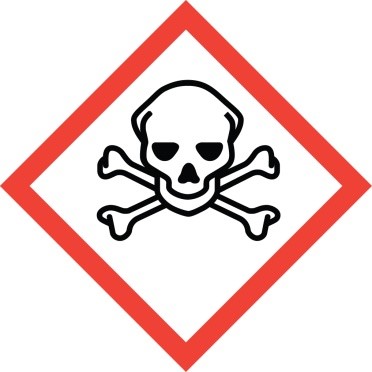
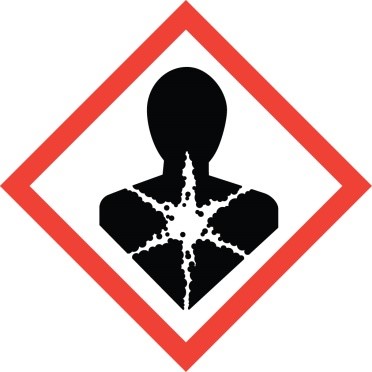
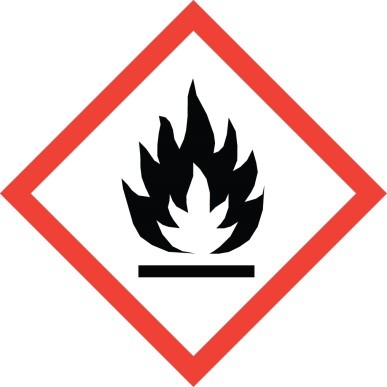
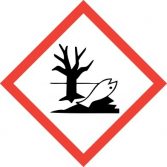
Signal word: Danger.
Hazard Statements
H300 + H330 Fatal if swallowed or inhaled.
H373 May cause damage to organs through prolonged, or repeated exposure.
H411 Toxic to aquatic life with long-lasting effects.
H250 Catches fire spontaneously if exposed to air.
Precautionary statement(s):
P220 Keep/store away from clothing/combustible materials.
P260 Do not breathe dust/fume/gas/mist/vapors/spray.
P264 Wash hands thoroughly after handling.
P273 Avoid release to the environment.
P284 Wear respiratory protection.
P310 Immediately call the Poison Center or doctor/physician.
Other hazards:
Radioactive
NFPA Rating
Health hazard: 3
Fire 0
Reactivity 3
CERCLA Ratings (SCALE 0-3)
Health U
Fire 0
Reactivity 3
Persistence 3
3. COMPOSITION AND INFORMATION ON INGREDIENTS, PHYSICAL AND CHEMICAL PROPERTIES
- CAS RN: [7440-29-1]
- Molecular Formula: Th
- Chemical Family: Metal
- Molecular Weight: 232.04
- Solubility: Insoluble in water, slightly soluble in acid
- Appearance: Grayish white, dense, silvery, radioactive solid that is strongly electropositive
- Melting Point, °C: 1755°C
- Boiling Point, °C: 4787°C
- Specific Gravity: 11.71
- Reactions: On vigorous shaking the metallic particles exhibit luminescence. It is ductile and malleable and ignites spontaneously in the air.
4. FIRST AID MEASURES
- In all routes of exposure, seek medical treatment immediately.
- Medical problems take priority over radiologic concerns (See treatment/first-aid measures below).
Inhalation:
- Remove to fresh air.
- If breathing becomes difficult, call a physician.
Ingestion:
- If swallowed, wash out mouth with water provided the person is conscious.
- Call a physician.
Skin contact: In case of contact, immediately wash the skin with soap and copious amounts of water.
Eye contact:
- In case of contact with eyes, flush with copious amounts of water for at least 20 minutes.
- Assure adequate flushing by separating the eyelids with fingers.
- Call a physician.
Most Important Symptoms and Effects, Acute and Delayed
- Uranium is a nephrotoxin, that damages the kidneys.
- Uranium is a skin, eye, and mucous membrane irritant.
5. FIREFIGHTING MEASURES
Fire and Explosion Hazard:
- Dangerous fire hazard when exposed to heat or flame.
- Dangerous explosion hazard when exposed to heat or flame.
- Pyrophoric.
Suitable extinguishing media: Dry chemical, carbon dioxide, water spray, or regular foam.
Hazardous combustion products: Thermal decomposition may release toxic and dangerous gases.
Special Protective Equipment and Precautions for Firefighters
- Move the container from the fire area if you can do it without risk.
- Wear a self-contained breathing apparatus if necessary.
- Apply cooling water to the sides of containers exposed to flames until well after the fire is out.
- Do not move damaged containers; move undamaged containers out of the fire zone.
- Use unmanned hose holders or monitor nozzles for massive fires in the cargo area.
- Contact the local, State, or Department of Energy radiological response team.
- Use suitable agents for surrounding fire.
- Cool containers with flooding amounts of water, apply from as far a distance as possible. Avoid breathing dust or vapor, keep upwind.
- Keep unnecessary people out of the area until declared safe by the radiological response team.
6. ACCIDENTAL RELEASE MEASURES
Personal Precautions and Protective Equipment
- Avoid contact with eyes, skin, and clothing. Avoid breathing dust.
- Wear respiratory protection, gloves, overgarments, and goggles.
- Evacuate personnel to safe areas.
Emergency Procedures Methods and Materials for Containment and Clean-up
- Do not touch damaged containers or spilled material.
- Damage to the outer container may not affect the primary inner container.
- Gather using sand, earth, or other absorbent material for small liquid spills. F
- For large spills, dike far ahead of the spill for later disposal.
- Keep unnecessary people at least 150 feet upwind; greater distances may be necessary if advised by a qualified radiation authority.
- Isolate the hazard area and deny entry.
- Enter the spill area only to save lives, and limit entry to the shortest possible time.
- Detain uninjured persons and equipment exposed to radioactive material until arrival, or instruction of qualified radiation authority.
- Delay cleanup until arrival, or instruction of qualified radiation authority.
- Contact the local, State, or Department of Energy radiological response team.
- Use suitable agents for surrounding fire.
- Cool containers with flooding amounts of water, apply from as far a distance as possible.
- Avoid breathing dust or vapor, keep upwind.
- Keep unnecessary people out of the area until declared safe by the radiological response team.
Disposal Considerations
Waste Disposal Methods: DISPOSE OF IAW LOCAL, STATE & FEDERAL ENVIRONMENTAL REGULATIONS (TITLE 10 CFR). Disclaimer (provided with this information by the compiling agencies): This information is formulated for use by elements of the Department of Defense. The United States of America in no manner whatsoever, expressly, or implied, warrants this information to be accurate and disclaims all liability for its use. Any person utilizing this document should seek competent professional advice to verify and assume responsibility for the suitability of this information to their situation.
Waste from residues/unused products: Waste disposal must follow appropriate Federal, State, and local regulations. If unaltered, this product may be disposed of by treatment at a permitted facility or as advised by your local hazardous waste regulatory authority. Residue from fires extinguished with this material may be dangerous.
Contaminated packaging: Do not reuse empty containers and dispose of them as unused products.
7. HANDLING AND STORAGE
Precautions for safe handling:
- Avoid contact with skin and eyes.
- Wash hands thoroughly after handling.
Conditions for safe storage:
- Store in the radioactive materials area.
- Keep the container tightly closed.
- Store separately from incompatible materials.
- Observe all Federal, State, and local regulations when storing this substance.
8. EXPOSURE CONTROL AND PERSONAL PROTECTION
Exposure Limits:
Thorium, INSOLUBLE COMPOUNDS (As Th):
0.2 mg/m3 OSHA TWA; 0.6 mg/m3 OSHA STEL
0.2 mg/m3 ACGIH TWA; 0.6 mg/m3 ACGIH STEL
0.2 mg/m3 NIOSH Recommended TWA; 0.6 mg/m3 NIOSH Recommended
STEL
Occupational exposure to radioactive substances must adhere to standards established by the Occupational Safety and Health Administration., 29 CFR 1910.96, and the Nuclear Regulatory Commission, 10 CFR Part 20. IF purchased by DOE or DOE-governed facilities subject to 10 CFR 835. Subject to foreign entity radiation protection regulations.
Ventilation
At a minimum, provide local exhaust or process enclosure ventilation.
One method of controlling external radiation exposure is to provide adequate shielding. The absorbing material used, and the thickness required to attenuate the radiation to acceptable levels depends on the type of radiation, its energy, the flux, and the dimensions of the source.
Alpha particles: For the energy range of alpha particles usually encountered, a fraction of a millimeter of any ordinary material, or a few inches of air is sufficient for absorbency. Rubber, cardboard, or any such material will suffice.
Beta particles: Beta particles are more penetrating than alpha particles and require more shielding. Materials composed mostly of elements with a low atomic number, such as acrylic, aluminum, and thick rubber, are most appropriate for absorbing beta particles. With high-energy beta radiation from large sources, Bremsstrahlung (X-ray production) contribution may become significant, and it may be necessary to provide additional shielding of high atomic weight material, such as lead, to attenuate the Bremsstrahlung radiation. Certified Reference Materials will not emit significant amounts of beta particles in the quantities shipped.
Gamma rays: Lead and iron are the most effective materials for shielding gamma radiation. Normal and depleted uranium are not typically considered gamma emitters. Enriched Certified Reference Materials pose only a minimal gamma hazard in the quantity shipped.
Eye protection: Employees must wear appropriate eye protection that will not allow the introduction of particles into the eyes. Contact lenses should not be worn.
Clothing: Employees handling radioactive substances should wear disposable overgarments, including head and foot coverings. These garments are also recommended even if the employee uses a “glove box” containment system. Certain clothing fibers may be useful in dosimetry so clothing should be kept.
In the event of an accident, full protective clothing will be necessary.
Gloves: Employees must wear appropriate protective gloves to prevent contact with this substance. Used gloves may be contaminated and should be disposed of as radioactive waste.
The selection of appropriate gloves depends on the material, while the quality standards may vary among manufacturers.
**Clothing, gloves, and eye protection equipment will protect against alpha particles.
Respirators: The following respirators and maximum use concentrations are recommendations by the U.S. Department of Health and Human Services, NIOSH pocket guide to chemical hazards; NIOSH criteria documents, or by the U.S. Department of Labor, 29 CFR 1910 Subpart Z.
The specific respirator selected must be based on contamination levels found in the workplace, must not exceed the working limits of the respirator, and be jointly approved by the National Institute for Occupational Safety, and Health and the Mine Safety and Health Administration (NIOSH-MSHA).
At any detectable concentration: Any self-contained breathing apparatus with a full facepiece operated in a pressure-demand or other positive-pressure mode.
Any supplied-air respirator with a full facepiece operated in a pressure-demand or other positive-pressure mode or other positive-pressure mode with an auxiliary self-contained breathing apparatus operated in pressure-demand or other positive-pressure mode.
Escape – any air-purifying, full-facepiece respirator with a high-efficiency particulate filler.
Any appropriate escape-type, self-contained breathing apparatus.
Firefighting and Other Immediately Dangerous to Life or Health Conditions
Use any self-contained breathing apparatus with a full facepiece respirator and a high-efficiency particulate filter.
Use any supplied air respirator with a full facepiece operated in a pressure-demand or other positive-pressure mode or other positive-pressure modes with an auxiliary self-contained breathing apparatus operated in pressure-demand or other positive-pressure modes.
Potential Health Effects
Inhalation:
- Short-term exposure: may cause a lack of appetite, nausea, vomiting, diarrhea, dehydration, kidney damage, blood in the urine, jaundice, weakness, drowsiness, incoordination, twitching, sterility, blood disorders, convulsions, and shock. Exposure to radioactive substances increases one’s risk of developing cancer.
- Long-term effects: In addition to effects from short-term exposure, anemia, cataracts, and lung damage may occur.
Skin:
- Short-term exposure: No information available on significant adverse effects.
- Long-term effects: May cause skin irritation.
Eyes:
- Short-term exposure: May irritate. Additionally, eye damage, including ulcerations, may occur.
- Long-term effects: It is unlikely that long-term eye contact would occur as the effects of
Note: Short-term exposure, over a period, would result in serious eye damage. However, if long-term exposure did occur, cataracts may also occur.
Ingestion:
- Short-term exposure: May cause kidney damage and increased cancer risk.
- Long-term effects: Same effects as short-term exposure.
Carcinogen Status
OSHA: N
NTP: N
IARC: N
9. STABILITY AND REACTIVITY
Chemical stability:
- Clean Uranium turnings or chips oxidize readily in air.
- If confined in a container without air movement, they can ignite spontaneously. Moisture increases this reactivity.
- Uranium turnings stored in water will form a hydride and ignite during warm weather.
Possibility of Hazardous Reactions (Polymerization): No data available.
Conditions to Avoid:
- May ignite itself if exposed to air.
- May burn rapidly with a flare-burning effect and re-ignite after the fire is extinguished.
Incompatible Materials
CHLORINE: Violent Reaction.
AIR: Violent Reaction.
FLUORINE: Violent Reaction.
NITRIC ACID: Reacts explosively, or with the formation of an explosive surface coating or residue.
NITROGEN OXIDE: Ignites.
DINITROGEN TETROXIDE: Explodes or forms an explosive surface coating or residue.
SELENIUM: Reacts violently or incandesces.
SULFUR: Reacts violently or incandesces.
WATER: Violent Reaction Hazard.
AMMONIA: Reacts violently or incandesces at dull red heat.
BROMIUM TRIFLUORIDE: Violent Reaction.
TRICHLORO ETHYLENE: Violent Reaction.
NITRYL FLUORIDE: Violent Reaction, or glowing or white incandescence.
CARBON DIOXIDE: At 750°C Interaction is so rapid that ignition will occur with the finely divided metal, and at 800°C the massive metal will ignite.
CARBON TETRACHLORIDE: The use of a carbon tetrachloride fire extinguisher on a small uranium fire resulted in an explosion.
CHLORINE: Ignites at 150-180°C,
BROMINE VAPOR: Ignites at 210-240°C,
IODINE VAPOR: Ignites at 260°C,
ACIDS: Reacts with the liberation of hydrogen and the formation of salts of tetravalent uranium.
Hazardous Decomposition Products:
Thermal decomposition may release toxic and dangerous gases.
10. TOXICOLOGY INFORMATION
Thorium
Carcinogenicity
This substance contains a radioactive isotope that may produce cancer and genetic mutation.
IARC: No chemical component of this product present at levels greater than or equal to 0.1% is identified as probable, possible, or confirmed human carcinogen by IARC.
NTP: No chemical component of this product present at levels greater than or equal to 0.1% is identified as a known or anticipated carcinogen by NTP.
OSHA: No chemical component of this product present at levels greater than or equal to 0.1% is identified as a carcinogen or potential carcinogen by OSHA.
Carcinogen status: Not carcinogenic as a chemical. Ionizing radiation is carcinogenic.
The toxicity of thorium metal has not been quantified. Thorium may be a skin, eye, and mucous membrane irritant, as well as a nephrotoxin. Thorium metal usually does not constitute an external radiation exposure hazard since it emits mainly alpha radiation at a low energy level. It may pose an internal radiation hazard if it is absorbed into the body, emitting alpha radiation onto stored tissues.
Health Effects
- Inhalation:
Thorium
RADIOACTIVE/NEPHROTOXIN. 30 mg/m3 is immediately dangerous to life and health.
Acute exposure: Thorium can enter the body through the inhalation of fine particles, which are about 1 micron in diameter. Uranium poisoning is characterized by generalized health impairment. It may cause changes in the kidneys, liver, lungs, cardiovascular, nervous, and hemopoietic systems, and disorders of protein and carbohydrate metabolism. Symptoms may include oliguria, hematuria, albuminuria, and jaundice.
Chronic exposure: Workers exposed to high average levels of thorium dust have not had increased mortality rates from lung cancer, leukemia, bone cancer, or diseases of the respiratory and genitourinary systems. Lung cancer in uranium miners is probably the result of inhalation of radon daughters found in these mines. Chronic poisoning gives chest findings of pneumoconiosis, pronounced blood changes, and generalized injury. Cancer or lymphatic and blood-forming tissues may result. See the following sections regarding the effects of inhalation of an alpha emitter.
Alpha Radiation
Acute exposure: Alpha radiation is densely ionizing with very high energy and will kill cells immediately adjacent to the source of contact. Damaged cells may not recover or be repaired. Alpha emitters may or may not be absorbed, depending on the solubility and particle size. Insoluble compounds may remain at or near the site of deposition, and soluble compounds may rapidly enter the bloodstream. Heavier particles will be brought up to the throat by ciliary action and may then be swallowed. The lighter particles may be lodged deep in the alveolar air sacs and remain. The damage depends on how quickly they are eliminated, and the susceptibility of the tissue in which they are stored. A single large dose of radiation may lead to increased cancer risk.
Chronic exposure: The effects of chronic exposure by internally deposited alpha radiation are dependent upon the dose and target organ(a). Possible disorders include lung cancer, sterility, anemia, leukemia, or bone cancer.
The delayed effects of radiation may be due either to a single large overexposure, or continuing low-level overexposure, and may include cancer, genetic effects, shortening of life span, and cataracts. Cancer is observed most frequently in the hematopoietic system, thyroid, bone, and skin. Leukemia is among the most likely forms of malignancy. Lung cancer may also occur due to radioactive materials residing in the lungs. Genetic effects may range from point mutations to severe chromosome damage such as strand breakage, translocations, and deletions. If the germ cells have been affected, the effects of the mutation may not become apparent until the next generation, or even later.
- Skin contact:
Thorium
RADIOACTIVE
Acute exposure: There is no evidence that insoluble uranium compounds can be absorbed through the skin; insoluble salts produce no signs of poisoning after skin contact. Thorium may irritate the skin.
Chronic exposure: Prolonged skin contact with insoluble uranium compounds should be avoided because of potential radiation damage to basal cells. Dermatitis has occurred because of handling some insoluble uranium compounds.
Alpha radiation
Acute exposure: Alpha radiation is not usually an external hazard. However, local damage may occur at the site of the wound. Absorption, or penetration through damaged skin may result in increased cancer risk.
Chronic exposure: Prolonged or repeated contact may result in increased cancer risk.
- Eye contact:
Thorium
RADIOACTIVE
Acute exposure: Dust may be irritating to the eyes. A variety of soluble and insoluble compounds, or uranium, were tested on the eyes of rabbits. The insoluble compounds caused the mildest degree of injury. The effects of eye contact with any thorium compound tend to be necrosis of the conjunctivae and eyelids and ulceration of the cornea.
Chronic exposure: Prolonged exposure to uranium may produce conjunctivitis, or the symptoms of radiation injury, such as cataracts. See the following sections regarding the effects of alpha radiation on the eyes.
Alpha radiation
Acute exposure: Radiation affects the eye by inducing acute inflammation of the conjunctiva and the cornea. The most sensitive part of the eye is the crystalline lens. A late effect of eye irradiation is cataract formation. It may begin anywhere from 6 months to several years after a single exposure. Cataract formation begins at the posterior pole of the lens and continues until the entire lens has been affected. Growth of the opacity may stop at any point. The rate of growth and the degree of opacity are dependent upon the dose of radiation.
Chronic exposure: Repeated or prolonged exposure to alpha radiation may result in cataract formation, as described above. Of the well-documented late effects of radiation on man, leukemia, and cataracts have been observed at doses lower than those producing skin scarring and cancer or bone tumors. The lens of the eye should be a critical organ.
- Ingestion:
Thorium
RADIOACTIVE/NEPHROTOXIN
Acute exposure: Feeding studies on animals indicate that insoluble uranium is much less toxic than soluble uranium compounds. Thorium entering the bloodstream will become stored in the bone marrow, but the majority will become lodged in the kidney, which is the major site of toxicity. More than a year and a half are required to rid the body of an accidental high dose of thorium, after which time measurable uranium is present in the bone and kidney.
Chronic exposure: The toxic action of thorium resides more in its chemical action on the renal tubules, rather than radiation effects. Rats injected with thorium metal in the femoral marrow developed sarcomas, whether this was due to metallo-carcinogenic or radio-carcinogenic ingestion of alpha emitters. Also, see the first aid section for uranium compounds.
Alpha radiation
Acute exposure: The fate of ingested alpha emitters depends on their solubility and valence.
Chronic exposure: Repeated ingestion of alpha emitters may increase cancer risks.
First Aid for Thorium Compounds
Although chelating agents act on uranium, they should not be used because the increased migrant fraction leads through renal precipitation to a greater kidney burden than would be received if there were no treatment at all; there is thus the risk of serious toxic nephritis. The basic treatment should be the administration of a bi-carbonated solution given locally and in intravenous perfusion (one bottle of 250 ML at 1.4%).
11. DISPOSAL INFORMATION
Observe all Federal, State, and local Regulations when disposing of this substance.
12. TRANSPORTATION INFORMATION
The U.S. Department of Transportation (D.O.T.) Code of Federal Regulations (49 CFR Parts 100-185), the International Air Transportation Association (IATA), the International Civil Aviation Organization (ICAO), and the International Maritime Organization (IMDG) are all factored into the classification and transport of material.
Proper Shipping Name:
Hazard Class:
UN/ID Number: To be determined on a case-by-case basis.
Special Information:
Packing Group:
The classification of substances with multiple hazards must be determined following the criteria presented in the regulations mentioned above. Due to the various quantities and combinations of materials being shipped at one time, the information above must be determined based on the characteristics of the specific shipment.
13. REGULATORY INFORMATION
TSCA STATUS: Y
CERCLA SECTION 103 (40 CFR 302.4): N
SARA SECTION 302 (40 CFR 355.30): N
SARA SECTION 304 (40 CFR 355.40): N
SARA SECTION 313 (40 CFR 372.65): N
OSHA PROCESS SAFETY (29 CFR 1910.119): N
CALIFORNIA PROPOSITION 65: N
SARA HAZARD CATEGORIES, SARA SECTIONS 311/312 (40 CFR 370.21)
ACUTE HAZARD: Y
CHRONIC HAZARD: Y
FIRE HAZARD: Y
REACTIVITY HAZARD: Y
SUDDEN RELEASE HAZARD: Y
SECTION 16 OTHER INFORMATION
14. OTHER INFORMATION
This material is prepared for use as a standard or in interlaboratory comparison programs at analytical laboratories, which routinely handle Thorium. IBI Labs assumes that recipients of this material have developed internal safety procedures, which guard against accidental exposure to radioactive and toxic materials, contamination of the laboratory environment, or criticality.
IBI Labs requires that those who receive their materials comply with 29 CFR 1910.1200(h), which mandates that employers provide employees with effective information and training about hazardous chemicals in their workplace.
The contents of this document are believed to be accurate as of the date of revision and are provided in good faith. However, it is recommended that recipients use this information as supplementary and exercise caution and judgment regarding its accuracy and suitability. Please note that IBI Labs cannot be held responsible for any damage, direct or indirect, that occurs because of using the information provided in this Safety Data Sheet.
IBI Labs makes no warranties, expressed or implied, including warranties of merchantability and fitness for a particular purpose. This information is provided without warranty, and any use of the product that does not conform to this Safety Data Sheet, or that is used in combination with any other product or process, is the user’s responsibility.
Revision Date: 07/10/2024