
SECTION 1: IDENTIFICATION
Product name: Uranium Dioxide
Synonyms: Uranium(IV) oxide; Uranium oxide; Pitchblende; Uranium fuel pellet
Chemical formula: UO₂
CAS number: 1344-57-6
Recommended use: Laboratory reagent; nuclear fuel material
Restrictions on use: For trained personnel only
Supplier
International Bio-Analytical Industries, Inc.
3495 N. Dixie Hwy. Unit # 8
Boca Raton, FL 33431
Tel: 561-826-0061
Fax: 561-892-8450
Emergency Telephone Numbers
INFOTRAC (USA & Canada): 1-800-535-5053
INFOTRAC (International): 1-352-323-3500
SECTION 2: HAZARD(S) IDENTIFICATION
GHS Classification (OSHA HCS 2012)
Acute toxicity, oral – Category 4
Acute toxicity, inhalation – Category 4
Skin irritation – Category 2
Eye irritation – Category 2A
Specific target organ toxicity (repeated exposure) – Category 2 (kidneys)
Note: Uranium dioxide is also radioactive. Radiological hazards are regulated separately under NRC/DOT regulations and are not fully addressed by OSHA GHS criteria.
GHS Label Elements
Pictogram
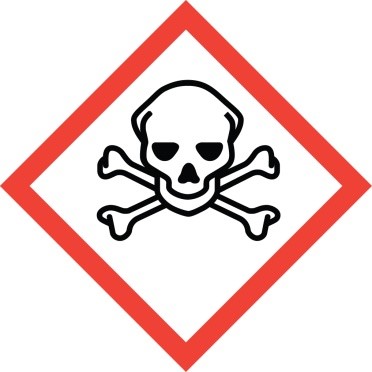
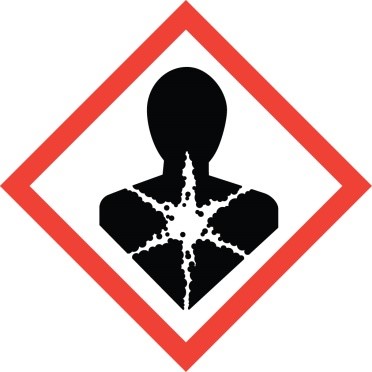
Signal word: Danger.
Hazard statements:
H302: Harmful if swallowed.
H332: Harmful if inhaled.
H315: Causes skin irritation.
H319: Causes serious eye irritation.
H373: May cause damage to kidneys through prolonged or repeated exposure.
Contains radioactive material.
Precautionary statements:
P260: Do not breathe dust.
P264: Wash thoroughly after handling.
P270: Do not eat, drink, or smoke when using this product.
P280: Wear protective gloves, protective clothing, and eye/face protection.
P304 + P340: IF INHALED: Remove person to fresh air and keep comfortable for breathing.
P301 + P312: IF SWALLOWED: Call a poison center or physician if you feel unwell.
P305 + P351 + P338: IF IN EYES: Rinse cautiously with water for several minutes.
P314: Get medical advice if you feel unwell.
Other hazards:
Radioactive alpha and gamma emitter.
Dust may form airborne contamination.
SECTION 3: Composition / Information on Ingredients
Component: Uranium dioxide (UO₂)
CAS No.: 1344-57-6
Weight %: ≥ 99%
Contains uranium isotopes (U-234, U-235, U-238) in proportions dependent on enrichment.
SECTION 4: FIRST-AID MEASURES
General: Seek medical attention for all exposures. Inform medical personnel of radioactive contamination risk.
Inhalation:
Remove person to fresh air immediately.
Seek medical attention.
Trained radiation safety personnel should perform nasal swabs and contamination monitoring.
Perform decontamination as directed by facility radiation safety procedures.
Skin contact:
Wash thoroughly with soap and water.
Do not abrade skin or shave affected areas.
Remove contaminated clothing and dispose of or decontaminate properly.
Seek medical advice if irritation persists.
Eye contact:
Rinse cautiously with water for at least 15 minutes, lifting eyelids.
Seek medical attention.
Ingestion:
Rinse mouth. Do not swallow rinse water.
Do not induce vomiting unless directed by medical personnel.
Seek immediate medical attention.
Most important symptoms:
Kidney toxicity.
Respiratory irritation.
Skin and eye irritation.
SECTION 5: FIRE-FIGHTING MEASURES
Suitable extinguishing media: Water spray, dry chemical, CO₂, foam.
Specific hazards:
Non-combustible solid.
Thermal decomposition may release toxic uranium fumes.
Protective equipment:
Self-contained breathing apparatus (SCBA).
Full protective clothing.
Avoid dust generation.
Special instructions:
Notify radiological emergency response authorities.
Prevent the spread of radioactive contamination.
Water spray, dry chemical, CO₂, foam
SECTION 6: ACCIDENTAL RELEASE MEASURES
Personal precautions:
Evacuate unnecessary personnel.
Wear appropriate PPE and respiratory protection.
Environmental precautions:
Prevent release to the environment.
Treat all waste as radioactive.
Cleanup methods:
Small spills: HEPA-filtered vacuum.
Large spills: Lightly mist to suppress dust, contain, and collect.
Cleanup only by trained radiation safety personnel.
SECTION 7: HANDLING AND STORAGE
Handling:
Avoid generating dust.
Use HEPA-filtered fume hoods or glove boxes.
Do not eat, drink, or smoke while handling.
Storage:
Store in designated radioactive materials area.
Keep container tightly closed.
Comply with NRC, DOT, and local regulations.
SECTION 8: EXPOSURE CONTROLS / PERSONAL PROTECTION
Exposure limits (as U):
OSHA PEL (TWA): 0.05 mg/m³
ACGIH TLV (TWA): 0.2 mg/m³; STEL 0.6 mg/m³
NIOSH REL (TWA): 0.2 mg/m³
Engineering controls: Local exhaust ventilation with HEPA filtration.
Personal protective equipment:
Gloves (impermeable).
Lab coat or disposable coveralls.
Safety goggles or a face shield.
Respiratory protection as required by exposure level.
SECTION 9: PHYSICAL AND CHEMICAL PROPERTIES
Appearance: Brown to black crystalline solid
Odor: Odorless
Molecular weight: 270.03 g/mol
Melting point: ~2827 °C
Density: 10.96 g/cm³
Solubility: Insoluble in water; soluble in concentrated nitric and sulfuric acids
Flash point: Not applicable (non-flammable)
SECTION 10: STABILITY AND REACTIVITY
Reactivity: Not reactive under normal conditions.
Stability: Stable; radioactive decay occurs naturally.
Conditions to avoid: Excessive heat, dust generation.
Incompatible materials: Bromine trifluoride.
Hazardous decomposition: Uranium oxides, toxic fumes.
SECTION 11: TOXICOLOGY INFORMATION
Routes of exposure: Inhalation, ingestion, skin contact
Health effects:
Kidney damage (primary chemical toxicity).
Lung damage from inhaled particulates.
Radiation-induced tissue damage with chronic exposure.
Carcinogenicity:
OSHA: Not listed
NTP: Not listed
IARC: Not listed
SECTION 12: ECOLOGICAL INFORMATION
Radioactive material. Avoid environmental release. Persistence is high.
SECTION 13: DISPOSAL CONSIDERATIONS
Dispose of in accordance with Federal, State, local, and NRC regulations for radioactive and hazardous waste.
SECTION 14: TRANSPORT INFORMATION
Transport classification depends on isotope, activity, and quantity.
Must comply with DOT (49 CFR), IATA, ICAO, and IMDG requirements.
Proper Shipping Name:
Hazard Class:
UN/ID Number: To be determined on a case-by-case basis.
Special Information:
Packing Group
The classification of substances with multiple hazards must be determined following the criteria presented in the regulations mentioned above. Due to the various quantities and combinations of materials being shipped at one time, the information above must be determined based on the characteristics of the specific shipment.
SECTION 15: REGULATORY INFORMATION
TSCA: Listed
CERCLA: Not listed
SARA 302/304/313: Not listed
OSHA Hazard Communication: Hazardous
California Prop 65: Not listed
SECTION 16: OTHER INFORMATION
Full text of hazard statements:
H300: Fatal if swallowed.
H330: Fatal if inhaled.
H373: May cause damage to organs (kidneys) through prolonged or repeated exposure.
H401: Toxic to aquatic life.
H411: Toxic to aquatic life with long-lasting effects.
HMIS Rating:
Health: 3*
Flammability: 0
Physical Hazard: 0
(*Chronic health effects)
NFPA Rating:
Health: 4
Fire: 0
Reactivity: 0
Copyright © 2015 International Bio-Analytical Industries, Inc.
Permission is granted to make unlimited paper copies for internal use only.
International Bio-Analytical Industries, Inc. requires recipients of its materials to comply with 29 CFR 1910.1200(h), which mandates that employers provide employees with effective information and training on hazardous chemicals present in the workplace.
The information contained in this Safety Data Sheet is believed to be accurate as of the date of revision and is provided in good faith. However, this information is intended to serve as a guide only, and recipients are encouraged to exercise independent judgment regarding its accuracy, completeness, and suitability for their specific applications. International Bio-Analytical Industries, Inc., shall not be held liable for any direct or indirect damage resulting from the use of this information.
International Bio-Analytical Industries, Inc. makes no warranties, express or implied, including, but not limited to, warranties of merchantability or fitness for a particular purpose. This information is provided without warranty, and any use of the product that does not conform to this Safety Data Sheet, or that is used in combination with any other product or process, is the sole responsibility of the user.
Revision Date: 03/25/2026