
SECTION 1: IDENTIFICATION
Product identifier: Uranium Trioxide
Synonyms: Uranium(VI) oxide; uranic oxide
Chemical formula: UO₃
CAS number: 1344-58-7
Recommended use: Laboratory, research, and industrial use under authorized controls
Restrictions on use: For professional use only. Use only by trained personnel authorized to handle radioactive materials, where applicable.
Supplier:
International Bio-Analytical Industries, Inc.
3495 N. Dixie Hwy., Unit 8
Boca Raton, FL 33431 USA
Tel: 561-826-0061
Fax: 561-892-8450
Emergency telephone number:
INFOTRAC
USA & Canada: 1-800-535-5053
International: 1-352-323-3500
SECTION 2: HAZARD(S) IDENTIFICATION
Classification of the substance or mixture:
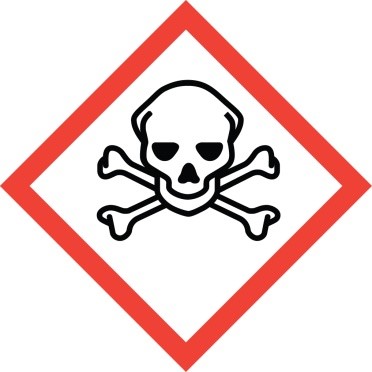
Acute toxicity, oral — Category 3
Acute toxicity, inhalation (dust) — Category 3
Skin irritation — Category 2
Eye irritation — Category 2A
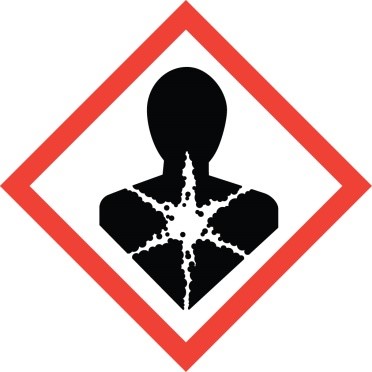
Specific target organ toxicity, repeated exposure — Category 1 (kidneys)
Specific target organ toxicity, single exposure — Category 2
Signal word: Danger
Pictograms:

Hazard statements:
Toxic if swallowed.
Toxic if inhaled.
Causes skin irritation.
Causes serious eye irritation.
May cause damage to organs through single exposure.
Causes damage to the kidneys through prolonged or repeated exposure.
Radioactive material; internal exposure by inhalation, ingestion, absorption through wounds, or retained contamination may increase health risk.
Precautionary statements:
Prevention: Do not breathe dust. Wash thoroughly after handling. Do not eat, drink, or smoke when using this product. Use only outdoors or in a well-ventilated area or approved containment. Wear protective gloves, protective clothing, and eye/face protection. Where airborne dust may be generated, use appropriate respiratory protection. Avoid release to the environment.
Response:
If swallowed: Immediately call a poison center or physician. Rinse mouth.
If inhaled: Remove person to fresh air and keep comfortable for breathing. Immediately call a poison center or physician.
If on skin: Wash with plenty of soap and water. Remove contaminated clothing and wash before reuse. If skin irritation occurs: Get medical advice/attention.
If in eyes: Rinse cautiously with water for several minutes. Remove contact lenses, if present and easy to do. Continue rinsing. If eye irritation persists: Get medical advice/attention.
If exposed or concerned: Get medical advice/attention.
Storage: Store locked up. Store in a tightly closed container in a designated radioactive materials storage area, where applicable.
Disposal: Dispose of contents/container in accordance with federal, state, local, radiological, and hazardous waste regulations.
Hazards not otherwise classified: Radioactive material may present an internal radiation hazard depending on isotopic composition, enrichment, specific activity, physical form, and quantity. OSHA permits additional hazard information on the SDS where appropriate.
SECTION 3: COMPOSITION / INFORMATION ON INGREDIENTS
Substance: Uranium trioxide
Chemical name: Uranium trioxide
Common names/synonyms: Uranium(VI) oxide; uranic oxide
CAS number: 1344-58-7
EC/Index number: Not available
Concentration: 100%
SECTION 4: FIRST-AID MEASURES
General advice: Seek immediate medical attention after any significant exposure. Inform medical personnel that the material may present both chemical toxicity and radiological contamination concerns.
Inhalation: Remove person to fresh air immediately. Keep at rest in a position comfortable for breathing. If breathing has stopped, provide artificial respiration by trained personnel using barrier protection or oxygen equipment; avoid direct mouth-to-mouth contact. Obtain immediate medical attention. Where radiological contamination is suspected, decontamination and monitoring should be performed by qualified personnel after stabilization.
Skin contact: Remove contaminated clothing and shoes immediately. Wash affected skin thoroughly with soap and water. Do not abrade the skin. Obtain medical attention if irritation occurs or if contamination is significant. Contaminated clothing should be isolated pending decontamination or disposal.
Eye contact: Flush eyes cautiously with water for at least 15 minutes, lifting upper and lower eyelids occasionally. Remove contact lenses if present, and easy to do. Continue rinsing. Obtain immediate medical attention.
Ingestion: Rinse mouth. Do not induce vomiting unless directed by medical personnel. Never give anything by mouth to an unconscious person. Obtain immediate medical attention.
Most important symptoms/effects, acute and delayed: Toxic by inhalation and ingestion. May cause irritation of the respiratory tract, skin, and eyes. Uranium compounds are nephrotoxic; prolonged or repeated exposure may damage the kidneys. Chronic inhalation of particulates may affect lungs and lymphatic tissue. Internal deposition of radioactive material may increase long-term health risk.
Indication of immediate medical attention/special treatment: Treat symptomatically and supportively. Monitor renal function. Management may also require radiological survey/decontamination, bioassay, and consultation with radiation safety and occupational medicine personnel.
SECTION 5: FIRE-FIGHTING MEASURES
Suitable extinguishing media: Use extinguishing media appropriate for the surrounding fire, such as water spray, dry chemical, carbon dioxide, or foam.
Unsuitable extinguishing media: None known specific to this material.
Specific hazards arising from the chemical: This material is not combustible. Fire may generate toxic metal oxide fumes. Containers exposed to fire may require cooling.
Special protective equipment and precautions for firefighters: Wear a self-contained breathing apparatus and full protective gear. Avoid generating or dispersing contaminated dust. If radioactive contamination is possible, isolate the area and involve qualified radiological response personnel.
SECTION 6: ACCIDENTAL RELEASE MEASURES
Personal precautions, protective equipment, and emergency procedures: Evacuate unnecessary personnel. Avoid breathing dust. Avoid contact with skin, eyes, and clothing. Wear appropriate respiratory and protective equipment. Restrict access to trained personnel only.
Methods and materials for containment and cleaning up: Do not dry sweep. Avoid creating airborne dust. Carefully collect spilled material using wet methods or a HEPA-filtered vacuum suitable for hazardous/radioactive particulate service. Place waste in properly labeled containers for disposal. Decontaminate affected surfaces as appropriate. For radiological releases, follow site radiation safety procedures and notify qualified radiation safety personnel.
Environmental precautions: Prevent release to drains, soil, and surface waters.
SECTION 7: HANDLING AND STORAGE
Precautions for safe handling: Avoid breathing dust. Avoid contact with skin, eyes, and clothing. Do not eat, drink, or smoke when using this product. Wash thoroughly after handling. Use only with adequate ventilation and, where appropriate, engineered containment such as a glovebox, enclosure, or local exhaust with suitable filtration. Handle in accordance with radiological control procedures where applicable.
Conditions for safe storage, including incompatibilities: Store tightly closed in a cool, dry, well-ventilated area. Store in a designated radioactive materials area where required. Segregate from incompatible materials. Protect from physical damage and moisture. Observe all applicable federal, state, and local storage requirements.
SECTION 8: EXPOSURE CONTROLS / PERSONAL PROTECTION
OSHA’s air contaminant tables list uranium compounds by uranium content, and OSHA’s HazCom standard requires the SDS to include applicable exposure limits and exposure-control measures.
Occupational exposure limits:
Uranium, insoluble compounds (as U):
OSHA PEL (TWA): 0.05 mg/m³
ACGIH TLV-TWA: 0.2 mg/m³
ACGIH TLV-STEL: 0.6 mg/m³
Appropriate engineering controls: Use local exhaust ventilation, process enclosure, glovebox, or other containment to maintain airborne concentrations below applicable limits and to minimize radioactive contamination. Use HEPA filtration where particulate capture is required.
Individual protection measures:
Eye/face protection: Safety glasses or chemical safety goggles; face shield as needed.Skin protection: Wear suitable protective gloves and protective clothing.
Respiratory protection: Where dust exposure may exceed occupational limits or where radiological controls require it, use a NIOSH-approved respirator selected in accordance with a written respiratory protection program.
Hygiene measures: Remove contaminated clothing promptly. Wash hands and face thoroughly after handling. Do not eat, drink, or smoke in work areas.
Radiological controls: As applicable, use contamination monitoring, exposure surveys, ALARA practices, dosimetry, and site radiation safety procedures.
SECTION 9: PHYSICAL AND CHEMICAL PROPERTIES
Appearance: Yellow to orange powder or crystalline solid
Odor: Odorless or no data available
Odor threshold: No data available
pH: No data available
Melting point/freezing point: Decomposes
Initial boiling point and boiling range: Decomposes
Flash point: Not applicable
Evaporation rate: Not applicable
Flammability: Non-flammable solid
Upper/lower flammability or explosive limits: Not applicable
Vapor pressure: Not applicable
Vapor density: Not applicable
Relative density: 7.29
Solubility(ies): Insoluble in water; soluble in nitric acid
Partition coefficient (n-octanol/water): No data available
Auto-ignition temperature: Not applicable
Decomposition temperature: No data available
Viscosity: Not applicable
Molecular formula: UO₃
Molecular weight: 286.03 g/mol
SECTION 10: STABILITY AND REACTIVITY
Reactivity: No dangerous reaction expected under normal conditions of use.
Chemical stability: Stable under recommended storage conditions.
Possibility of hazardous reactions: Hazardous polymerization will not occur.
Conditions to avoid: Excessive heat, dust generation, incompatible materials.
Incompatible materials: Strong fluorinating agents, including bromine trifluoride.
Hazardous decomposition products: Toxic metal oxide fumes and other hazardous decomposition products may form under fire conditions.
SECTION 11: TOXICOLOGICAL INFORMATION
Likely routes of exposure: Inhalation, ingestion, skin contact, eye contact.
Symptoms related to exposure: Dust may irritate the eyes, skin, and respiratory tract. Inhalation or ingestion may cause systemic toxicity. Uranium compounds are primarily associated with kidney toxicity. Chronic particulate inhalation may affect the lungs and lymph nodes.
Delayed and immediate effects; chronic effects from short- and long-term exposure: Acute exposure may cause irritation and systemic toxicity. Repeated or prolonged exposure may damage kidneys. Long-term internal exposure to radioactive uranium compounds may increase the risk of adverse health effects depending on isotopic composition and dose.
Numerical measures of toxicity:
Specific ATE/LD50/LC50 data for this SDS version: no definitive product-specific value assigned here.
Carcinogenicity:
OSHA: Not listed as a carcinogen
NTP: Not listed
IARC: Uranium trioxide itself not specifically classified here in this draft
This does not negate the need to control radiological exposure where radioactive isotopes are present.
SECTION 12: ECOLOGICAL INFORMATION
No definitive ecotoxicity data available for this specific SDS draft. Prevent environmental release. Uranium compounds may present environmental hazard due to heavy metal and radiological characteristics.
SECTION 13: DISPOSAL CONSIDERATIONS
Dispose of material, residues, contaminated absorbents, and contaminated PPE in accordance with all applicable federal, state, local, hazardous waste, and radioactive waste regulations. Do not discharge to sewer.
SECTION 14: TRANSPORT INFORMATION
Transport classification depends on isotopic composition, activity, quantity, packaging, and form. Shipments may be regulated as radioactive material under U.S. DOT, IATA, ICAO, and IMDG rules. Proper shipping description must be determined on a case-by-case basis by qualified personnel.
SECTION 15: REGULATORY INFORMATION
U.S. OSHA HazCom: This SDS is prepared in accordance with 29 CFR 1910.1200.
OSHA SDS format: Sections 1–11 and 16 are required; Sections 12–15 are included for completeness.
TSCA: Verify inventory status for the specific product and isotopic form before publication.
SARA 311/312: Acute health hazard; chronic health hazard.
CERCLA / SARA 302 / SARA 304 / SARA 313 / Proposition 65: Product-specific applicability should be confirmed before issuance of the final controlled SDS.
SECTION 16: OTHER INFORMATION
Copyright © 2015 International Bio-Analytical Industries, Inc.
Permission is granted to make unlimited paper copies for internal use only.
International Bio-Analytical Industries, Inc. requires recipients of its materials to comply with 29 CFR 1910.1200(h), which mandates that employers provide employees with effective information and training on hazardous chemicals present in the workplace.
The information contained in this Safety Data Sheet is believed to be accurate as of the date of revision and is provided in good faith. However, this information is intended to serve as a guide only, and recipients are encouraged to exercise independent judgment regarding its accuracy, completeness, and suitability for their specific applications. International Bio-Analytical Industries, Inc., shall not be held liable for any direct or indirect damage resulting from the use of this information.
International Bio-Analytical Industries, Inc. makes no warranties, express or implied, including, but not limited to, warranties of merchantability or fitness for a particular purpose. This information is provided without warranty, and any use of the product that does not conform to this Safety Data Sheet, or that is used in combination with any other product or process, is the sole responsibility of the user.
Revision Date: 03/25/2026