
SECTION 1: IDENTIFICATION
Product identifier: Uranyl Acetate Dihydrate
Synonyms: Uranyl acetate
CAS No.: 6159-44-0
EC No.: 208-767-5
Index No.: 092-002-00-3
Molecular formula: UO₂(CH₃COO)₂·2H₂O
Molecular weight: 424.15 g/mol
Recommended use: Laboratory chemical; manufacture of substances.
Restrictions on use: Radioactive material. For trained and authorized personnel only.
Supplier:
International Bio-Analytical Industries, Inc.
3495 N. Dixie Hwy., Unit #8
Boca Raton, FL 33431
Tel: 561-826-0061
Fax: 561-892-8450
Emergency telephone numbers:
INFOTRAC (USA & Canada): 1-800-535-5053
INFOTRAC (International): 1-352-323-3500
SECTION 2: HAZARD(S) IDENTIFICATION
Classification (OSHA Hazard Communication Standard, GHS)
Acute toxicity (oral), Category 2
Acute toxicity (inhalation), Category 2
Specific target organ toxicity – repeated exposure, Category 2
Aquatic acute toxicity, Category 2
Aquatic chronic toxicity, Category 2
GHS Label Elements
Pictograms:
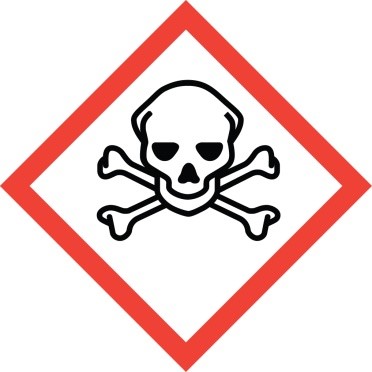
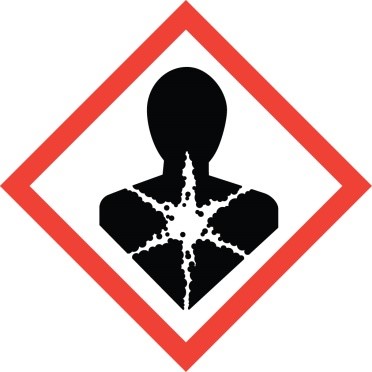
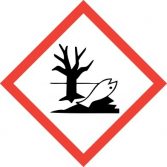
Signal word: Danger
Hazard statements:
H300 + H330: Fatal if swallowed or if inhaled.
H373: May cause damage to organs (kidneys) through prolonged or repeated exposure.
H401: Toxic to aquatic life.
H411: Toxic to aquatic life with long-lasting effects.
Precautionary statements:
P260: Do not breathe dust or mist.
P264: Wash thoroughly after handling.
P270: Do not eat, drink, or smoke when using this product.
P271: Use only outdoors or in a well-ventilated area.
P273: Avoid release to the environment.
P284: Wear respiratory protection.
P301+P310: IF SWALLOWED: Immediately call a POISON CENTER or physician.
P304+P340: IF INHALED: Remove person to fresh air and keep comfortable for breathing.
P330: Rinse mouth.
P391: Collect spillage.
P403+P233: Store in a well-ventilated place. Keep container tightly closed.
P405: Store locked up.
P501: Dispose of contents/container in accordance with local, regional, national, and international regulations.
Hazards not otherwise classified (HNOC):
Contains radioactive uranium isotopes. External and internal radiation hazard. Radiation hazard symbols are regulated separately from GHS.
SECTION 3: COMPOSITION / INFORMATION ON INGREDIENTS
Component: Bis(acetato-O)dioxouranium dihydrate
CAS No.: 6159-44-0
Concentration: ≥99%
Classification: Acute Tox. 2 (H300, H330); STOT RE 2 (H373); Aquatic Acute 2 (H401); Aquatic Chronic 2 (H411)
SECTION 4: FIRST-AID MEASURES
General advice: Seek immediate medical attention. Show this SDS to medical personnel.
Inhalation: Move to fresh air immediately. If breathing has stopped, give artificial respiration. Obtain medical attention immediately.
Skin contact: Wash immediately with soap and plenty of water. Remove contaminated clothing. Seek medical attention.
Eye contact: Rinse cautiously with water for at least 15 minutes. Remove contact lenses if present, and easy to do. Seek medical attention.
Ingestion: Rinse mouth. Do not induce vomiting. Never give anything by mouth to an unconscious person. Seek immediate medical attention.
Most important symptoms/effects: Severe chemical toxicity affecting kidneys and other organs. Delayed effects possible due to radiological exposure.
SECTION 5: FIRE-FIGHTING MEASURES
Suitable extinguishing media: Use extinguishing media appropriate for surrounding fire.
Specific hazards: Thermal decomposition may produce uranium oxides and carbon oxides.
Protective equipment: Firefighters must wear self-contained breathing apparatus and full protective gear.
SECTION 6: ACCIDENTAL RELEASE MEASURES
Personal precautions: Evacuate area. Wear appropriate PPE including respiratory protection. Avoid dust generation.
Environmental precautions: Prevent entry into drains, soil, and waterways.
Methods for cleanup: Collect material carefully without generating dust. Place in sealed containers for disposal as radioactive hazardous waste.
SECTION 7: HANDLING AND STORAGE
Handling: Avoid contact with skin and eyes. Avoid dust formation. Use local exhaust ventilation. Follow radiation safety procedures.
Storage: Store securely in a dry, well-ventilated area. Store locked up. Segregate from incompatible materials.
SECTION 8: EXPOSURE CONTROLS / PERSONAL PROTECTION
Exposure limits:
OSHA PEL (uranium, soluble compounds): 0.05 mg/m³ (TWA)
ACGIH TLV (uranium, soluble compounds): 0.2 mg/m³ (TWA)
Engineering controls: Local exhaust ventilation. Radiation shielding and monitoring as required.
Personal protective equipment:
Eye/face: Safety glasses and a face shield
Skin: Nitrile gloves; chemical-resistant protective clothing
Respiratory: NIOSH-approved N100 or supplied-air respirator if limits exceeded
SECTION 9: PHYSICAL AND CHEMICAL PROPERTIES
Appearance: Yellow crystalline solid
Odor: Slight acetic acid odor
Density: 2.89 g/cm³
Melting point: Decomposes
Decomposition temperature: ~275 °C
Solubility: Soluble in water
SECTION 10: STABILITY AND REACTIVITY
Reactivity: Weakly acidic
Chemical stability: Stable under recommended storage conditions
Incompatible materials: Strong oxidizing agents
Hazardous decomposition products: Uranium oxides, carbon oxides
SECTION 11: TOXICOLOGICAL INFORMATION
LD₅₀ (oral, rat): ~204 mg/kg
LD₅₀ (subcutaneous, rat): ~8.3 mg/kg
STOT – repeated exposure: Kidney damage
Carcinogenicity: Cancer risk associated with internal radioactive exposure
Delayed effects possible.
SECTION 12: ECOLOGICAL INFORMATION
Toxic to aquatic life with long-lasting effects.
SECTION 13: DISPOSAL CONSIDERATIONS
Dispose of contents and containers as radioactive hazardous waste in accordance with federal, state, and local regulations.
SECTION 14: TRANSPORT INFORMATION
Transport as Radioactive Material, Class 7, subject to DOT, IATA, and IMDG regulations.
UN number, proper shipping name, and packing requirements depend on radioactive activity, physical form, and license conditions and must be determined for each shipment.
Proper Shipping Name:
Hazard Class:
UN/ID Number: To be determined on a case-by-case basis.
Special Information:
Packing Group:
SECTION 15: REGULATORY INFORMATION
OSHA HazCom: Hazardous
SARA 311/312: Acute Health Hazard, Chronic Health Hazard
SARA 313: Uranium compounds are subject to reporting requirements
State Right-to-Know: Listed (MA, PA, NJ)
California Prop 65: Contains uranium, a chemical known to the State of California to cause cancer.
SECTION 16: OTHER INFORMATION
Full text of H-statements available upon request.
HMIS: Health 3*, Flammability 0, Physical Hazard 0
NFPA: Health 4, Fire 0, Reactivity 0
Copyright © 2015 International Bio-Analytical Industries, Inc.
Permission is granted to make unlimited paper copies for internal use only.
International Bio-Analytical Industries, Inc. requires recipients of its materials to comply with 29 CFR 1910.1200(h), which mandates that employers provide employees with effective information and training on hazardous chemicals present in the workplace.
The information contained in this Safety Data Sheet is believed to be accurate as of the date of revision and is provided in good faith. However, this information is intended to serve as a guide only, and recipients are encouraged to exercise independent judgment regarding its accuracy, completeness, and suitability for their specific applications. International Bio-Analytical Industries, Inc., shall not be held liable for any direct or indirect damage resulting from the use of this information.
International Bio-Analytical Industries, Inc. makes no warranties, express or implied, including, but not limited to, warranties of merchantability or fitness for a particular purpose. This information is provided without warranty, and any use of the product that does not conform to this Safety Data Sheet, or that is used in combination with any other product or process, is the sole responsibility of the user.
Revision Date: 03/25/2026