
SECTION 1. IDENTIFICATION
Product Identifier: Uranyl Fluoride
Synonyms: Uranyl(VI) fluoride
Chemical Formula: UO₂F₂
Recommended Use: Laboratory chemicals; certified reference materials/SME materials where authorized; other authorized professional uses
Restrictions on Use: For trained and authorized professional use only. Use, possession, handling, storage, and transport are subject to applicable radioactive-material, hazardous-chemical, and transportation requirements.
Supplier
International Bio-Analytical Industries, Inc.
Address: 3495 N. Dixie Hwy., Unit #8, Boca Raton, FL 33431
Telephone: 561-826-0061
Fax: 561-892-8450
Emergency Telephone
INFOTRAC: 1-800-535-5053 (U.S. & Canada); +1-352-323-3500 (International)
SECTION 2. HAZARD(S) IDENTIFICATION
Classification under OSHA Hazard Communication Standard / GHS:
Signal Word: DANGER
GHS Pictograms

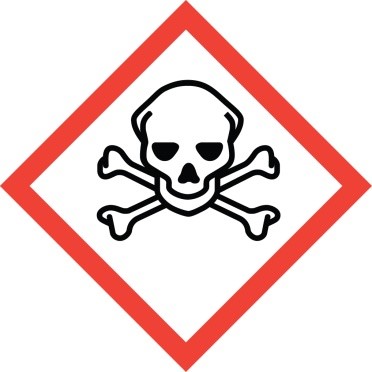
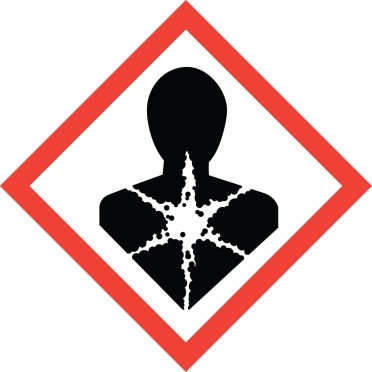
 Other Hazards Not Otherwise Classified: RADIOACTIVE. Radioactive-material hazards and controls are additional to GHS chemical hazard communication.
Hazard Statements:
H300 Fatal if swallowed.
H330 Fatal if inhaled.
H314 Causes severe skin burns and eye damage.
H373 May cause damage to organs through prolonged or repeated exposure.
H411 Toxic to aquatic life with long-lasting effects.
Precautionary Statements:
P260 Do not breathe dust/fume/gas/mist/vapors/spray.
P262 Do not get in eyes, on skin, or on clothing.
P264 Wash skin thoroughly after handling.
P270 Do not eat, drink or smoke when using this product.
P271 Use only outdoors or in a well-ventilated area.
P273 Avoid release to the environment.
P280 Wear protective gloves/protective clothing/eye protection/face protection.
P284 [In case of inadequate ventilation] wear respiratory protection.
P301+P310 IF SWALLOWED: Immediately call a POISON CENTER/doctor.
P303+P361+P353 IF ON SKIN (or hair): Take off immediately all contaminated clothing. Rinse skin with water/shower.
P304+P340 IF INHALED: Remove person to fresh air and keep comfortable for breathing.
P305+P351+P338 IF IN EYES: Rinse cautiously with water for several minutes. Remove contact lenses, if present and easy to do. Continue rinsing.
P310 Immediately call a POISON CENTER/doctor.
P321 Specific treatment (see Section 4).
P363 Wash contaminated clothing before reuse.
P391 Collect spillage.
P403+P233 Store in a well-ventilated place. Keep container tightly closed.
P405 Store locked up.
P501 Dispose of contents/container in accordance with applicable regulations.
SECTION 3. COMPOSITION / INFORMATION ON INGREDIENTS
The material is a radioactive uranium compound.
Classification: Ox. Sol. 2; Acute Tox. 4; Skin Irrit. 2; Eye Irrit. 2A; STOT SE 3; STOT RE 2; Aquatic Acute 2; Aquatic Chronic 2
CAS Number: 13536-84-0
Concentration: 100
Molecular Weight: 308.03 g/mol
Chemical Family: Inorganic salt; radioactive material
SECTION 4. FIRST-AID MEASURES
General Advice: Obtain immediate medical attention following significant exposure. Provide this SDS to medical personnel. Because this material is both chemically hazardous and radioactive, coordinate medical treatment with the facility Radiation Safety Officer/radiation-protection authority. Medical stabilization takes priority over radiological decontamination when necessary.
Inhalation: Move the exposed person to fresh air. Do not expose rescuers to contamination. If breathing is difficult, trained personnel may provide appropriate respiratory support. If breathing has stopped, trained personnel should provide CPR/appropriate artificial respiration. Obtain immediate medical attention.
Skin Contact: Immediately remove contaminated clothing and shoes. Flush skin with copious amounts of water and wash thoroughly with soap. Obtain immediate medical attention. Control contaminated clothing under applicable radiological-contamination procedures. Uranyl fluoride exposure can produce fluoride-related corrosive injury and systemic toxicity.
Eye Contact: Immediately flush eyes with copious amounts of water for at least 15–20 minutes, holding eyelids open. Remove contact lenses if easy to do. Obtain immediate medical attention. Do not delay urgent medical care for radiological monitoring.
Ingestion: Rinse mouth thoroughly with water. Do not induce vomiting unless directed by medical personnel. Do not give anything by mouth to an unconscious person. Obtain immediate medical attention.
Most Important Symptoms and Effects: Chemical exposure may cause severe corrosive injury, respiratory irritation/injury, fluoride toxicity, gastrointestinal symptoms, kidney injury, liver effects, and central nervous system effects. Internal uranium contamination presents an additional radiological hazard.
Indication of Immediate Medical Attention / Special Treatment: Urgent medical evaluation is required after significant exposure. Fluoride/HF-related systemic toxicity may require monitoring and treatment for electrolyte disturbances and cardiac effects. Any calcium-based treatment for suspected hydrofluoric-acid/fluoride injury must be directed by qualified medical personnel under an established medical protocol; this SDS does not prescribe a treatment regimen.
SECTION 5. FIRE-FIGHTING MEASURES
Suitable Extinguishing Media: Use extinguishing media appropriate for the surrounding fire and the specific circumstances. Dry chemical or carbon dioxide may be appropriate for small fires; water spray/fog or regular foam may be used for larger surrounding fires when consistent with the emergency-response plan.
Specific Hazards Arising from the Chemical: The material itself presents a negligible fire hazard under normal conditions but may present a slight explosion hazard when exposed to intense heat or fire. Thermal decomposition can release corrosive hydrogen fluoride and toxic uranium-containing fumes. Radioactive contamination may be dispersed by smoke, dust, debris, or runoff.
Special Protective Equipment and Precautions for Firefighters: Wear positive-pressure SCBA and protective clothing appropriate to the fire. Keep upwind. Establish radiological controls and notify the Radiation Safety Officer or qualified radiological emergency-response authority. Cool fire-exposed containers from a safe distance when appropriate.
Special Note on Water: Can react with uranyl fluoride and produce corrosive hydrogen fluoride. Do not direct water onto spilled material except as specifically authorized by trained emergency-response personnel and the facility emergency procedure.
SECTION 6. ACCIDENTAL RELEASE MEASURES
Personal Precautions, Protective Equipment, and Emergency Procedures: Do not touch spilled material. Isolate the area, keep unnecessary personnel away, and stay upwind and out of low areas. Avoid breathing dust or fumes. Notify the Radiation Safety Officer/radiological response authority and delay cleanup until qualified personnel direct the response.
Environmental Precautions: Prevent release to drains, soil, surface water, and groundwater. Prevent further leakage or release if this can be done safely.
Methods and Materials for Containment and Cleaning Up: Cleanup must be performed by trained personnel using approved radiological-contamination-control procedures. Avoid generating airborne dust. Do not use compressed air. Collect material into compatible, closed, properly controlled containers for radioactive-waste management.
SECTION 7. HANDLING AND STORAGE
Precautions for Safe Handling: Handle only in controlled areas by trained and authorized personnel. Avoid contact with skin, eyes, and clothing. Avoid breathing dust or fumes. Use local exhaust/process enclosure and closed handling systems where appropriate. Wash thoroughly after handling. Do not allow water or moisture to enter the container unless specifically required by an approved process.
Radiological Controls: Apply the facility’s radioactive-material handling procedures, contamination controls, surveys, dosimetry, access restrictions, and ALARA principles as applicable.
Conditions for Safe Storage: Keep container tightly closed in a dry, cool, well-ventilated, secure area. Protect from heat, fire, and moisture. Store locked up and in a designated radioactive-material area as required.
Container Compatibility: Final container material should be selected and verified by qualified process/EHS personnel for the actual product and concentration.
SECTION 8. EXPOSURE CONTROLS / PERSONAL PROTECTION
Occupational Exposure Limits: Uranium-specific radiological exposure limits are not replaced by chemical PELs. Occupational exposure to radioactive material must be controlled under the applicable NRC/Agreement State license and radiological-protection requirements. Maintain radiation exposures ALARA.
Engineering Controls: At minimum, provide effective local exhaust ventilation or process enclosure. Use gloveboxes or closed systems where airborne contamination may occur. The ventilation system should be designed to maintain airborne concentrations below applicable occupational limits and to control radioactive contamination.
Eye/Face Protection: Chemical splash/impact-resistant eye protection with side shields. Use a face shield where severe corrosive exposure or particle projection is possible. Contact lenses should not be worn when handling this material.
Skin Protection: Wear chemically compatible protective gloves, protective clothing, and radiological protective clothing as required by the facility program. Contaminated PPE must be controlled as radioactive material.
Respiratory Protection: Use only under a compliant written respiratory-protection program. Respirator selection must be based on measured or anticipated airborne concentrations, oxygen level, contaminant characteristics, and radiological requirements. For IDLH or firefighting conditions, use positive-pressure SCBA or an appropriate supplied-air respirator with auxiliary SCBA as required by the program.
Radiation Shielding: Shielding requirements depend on isotope, enrichment, activity, geometry, and radiation field. Consult the facility Radiation Safety Officer or qualified health physicist for shielding design. Do not rely on generic alpha/beta/gamma statements to establish a product-specific shielding requirement.
SECTION 9. PHYSICAL AND CHEMICAL PROPERTIES
Formula: UO₂F₂
Molecular/formula weight: approximately 308.03 g/mol.
SECTION 10. STABILITY AND REACTIVITY
Reactivity: Uranyl fluoride may react with water, releasing corrosive hydrogen fluoride and toxic uranium-containing species. Vigorous reactions with certain aromatic hydrocarbons and hydroxy compounds, and reaction with many metals.
Chemical Stability: Reported to be stable in air to approximately 300 °C; above this temperature it may slowly decompose to U₃O₈ with release of toxic fluoride fumes.
Possibility of Hazardous Reactions: Water contact may produce corrosive HF. Contact with certain aromatic hydrocarbons and hydroxy compounds may be vigorous. Contact with incompatible metals may result in a reaction.
Conditions to Avoid: Heat, fire, moisture/water, uncontrolled dust/fume generation, and contact with incompatible materials.
Incompatible Materials: Water; certain aromatic hydrocarbons such as benzene, toluene, and xylene; hydroxy compounds; and many metals. Avoid incompatible plastics, rubbers, and coatings where identified by validated compatibility testing.
Hazardous Decomposition Products: Hydrogen fluoride/corrosive fluoride fumes and toxic uranium-containing fumes/oxides.
Hazardous Polymerization: Hazardous polymerization has not been reported under normal temperature and pressure.
SECTION 11. TOXICOLOGICAL INFORMATION
Likely Routes of Exposure: Inhalation, ingestion, skin contact, and eye contact. Internal radioactive contamination is an additional route-specific concern.
Acute Toxicity: Acute Toxicity Category 1 by oral and inhalation routes.
Skin Corrosion/Irritation: Contact can cause severe irritation/corrosive injury and systemic fluoride/uranium toxicity.
Serious Eye Damage/Eye Irritation: Contact can cause severe eye injury.
Respiratory or Skin Sensitization: No product-specific data available.
Germ Cell Mutagenicity: No product-specific GHS classification data available. Ionizing radiation from radioactive uranium can damage genetic material at sufficient dose.
Carcinogenicity: Radiological exposure to uranium is a separate potential cancer hazard; risk depends on isotope, activity, exposure pathway, and dose.
Specific Target Organ Toxicity / Repeated Exposure: Kidney, liver, lungs, blood/hematopoietic system, and central nervous system are identified in the source material as potential target systems depending on exposure.
Aspiration Hazard: Not applicable to a solid inorganic material.
Fluoride/HF Toxicity: Exposure to fluoride/HF can cause severe corrosive injury and systemic toxicity, including electrolyte disturbances and cardiac effects.
Radiological Effects: Uranyl fluoride contains uranium and may present an internal alpha-radiation hazard. Radiological risk depends on isotope, enrichment, activity, route, and dose.
SECTION 12. ECOLOGICAL INFORMATION
Ecotoxicity: Acute Aquatic Toxicity Category 2 and Chronic Aquatic Toxicity Category 2 and states an environmental impact rating of 2.
Persistence and Degradability: No data available.
Bioaccumulative Potential: No data available.
Mobility in Soil: No product-specific data available.
Partition Coefficient: No data available.
Other Adverse Effects: Radioactive properties and chemical toxicity may present additional environmental concerns. Avoid uncontrolled release.
SECTION 13. DISPOSAL CONSIDERATIONS
Waste Treatment Methods: Dispose of uranyl fluoride and contaminated materials in accordance with the applicable radioactive-material license, NRC/Agreement State requirements, Federal/state/local hazardous-waste requirements, and facility radioactive-waste procedures.
Do not discharge to drains, soil, surface water, or groundwater. Do not place in ordinary trash.
Do not recommend dilution, uncontrolled neutralization, or routine incineration. Waste treatment must be determined by authorized radioactive-waste and EHS personnel.
Contaminated Packaging: Manage contaminated packaging as radioactive material unless formally surveyed and released under an authorized procedure.
SECTION 14. TRANSPORT INFORMATION
U.S. DOT / 49 CFR: Uranyl fluoride is radioactive uranium material. The final shipping description cannot be determined from the chemical name alone. It depends on isotope, specific activity, enrichment/fissile status, quantity, package, and applicable exceptions.
IATA/ICAO/IMDG: Air and sea transport classifications and packaging requirements must be evaluated separately under the current applicable modal regulations.
SECTION 15. REGULATORY INFORMATION
United States:
OSHA Hazard Communication Standard, 29 CFR 1910.1200.
OSHA air-contaminant requirements, including 29 CFR 1910.1000.
OSHA hydrogen fluoride exposure limit: 3 ppm 8-hour TWA and 6 ppm 15-minute STEL.
NRC radioactive-material requirements, including 10 CFR Part 20, as applicable to the licensee and material.
U.S. DOT Hazardous Materials Regulations, 49 CFR Parts 171–180.
Applicable state and local radioactive-material, hazardous-waste, worker-protection, and environmental requirements.
SARA 311/312 Hazard Categories:
SECTION 16: OTHER INFORMATION
Copyright © 2015 International Bio-Analytical Industries, Inc.
Permission is granted to make unlimited paper copies for internal use only.
International Bio-Analytical Industries, Inc. requires recipients of its materials to comply with 29 CFR 1910.1200(h), which mandates that employers provide employees with effective information and training on hazardous chemicals present in the workplace.
The information contained in this Safety Data Sheet is believed to be accurate as of the date of revision and is provided in good faith. However, this information is intended to serve as a guide only, and recipients are encouraged to exercise independent judgment regarding its accuracy, completeness, and suitability for their specific applications. International Bio-Analytical Industries, Inc., shall not be held liable for any direct or indirect damage resulting from the use of this information.
International Bio-Analytical Industries, Inc. makes no warranties, express or implied, including, but not limited to, warranties of merchantability or fitness for a particular purpose. This information is provided without warranty, and any use of the product that does not conform to this Safety Data Sheet, or that is used in combination with any other product or process, is the sole responsibility of the user.
Revision Date: 09/02/2026