
1. IDENTIFICATION
Product Name: Uranyl Magnesium Acetate
Synonyms: Magnesium uranyl acetate; Magnesium bis(acetato-O)dioxouranate
CAS Number: 20596-93-4
EC Number: 243-905-8
Molecular Formula: MgUO₂(CH₃COO)₄
Molecular Weight: 530.51 g/mol
Recommended Use: Laboratory reagent
Supplier:
International Bio-Analytical Industries, Inc.
3495 N. Dixie Hwy., Unit 8
Boca Raton, FL 33431 USA
Phone: 561-826-0061
Fax: 561-892-8450
Emergency Telephone (INFOTRAC)
USA & Canada: 1-800-535-5053
International: +1-352-323-3500
2. HAZARD(S) IDENTIFICATION
GHS Classification
Acute Toxicity, Oral (Category 3)
Acute Toxicity, Inhalation (Category 3)
Specific Target Organ Toxicity – Repeated Exposure (Category 2)
GHS Label Elements
Signal Word: Danger
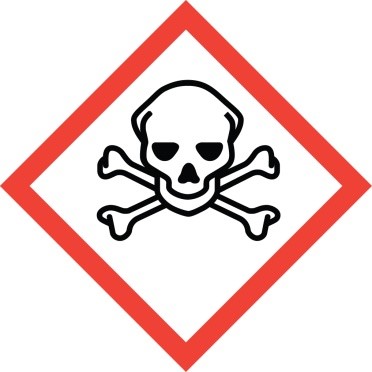
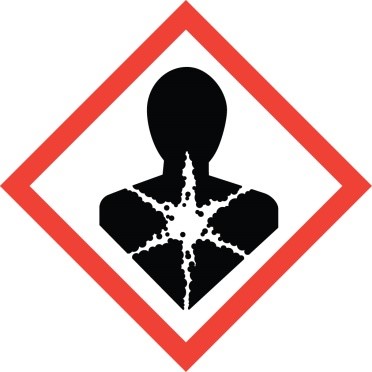
Hazard Pictograms
Skull and Crossbones
Health Hazard
Hazard Statements
H301 Toxic if swallowed
H331 Toxic if inhaled
H373 May cause damage to organs through prolonged or repeated exposure
Precautionary Statements
P260 Do not breathe dust.
P264 Wash thoroughly after handling.
P270 Do not eat, drink, or smoke when using this product.
P280 Wear protective gloves, protective clothing, eye protection, and respiratory protection.
P301+P310 IF SWALLOWED: Immediately call a POISON CENTER or physician.
P304+P340 IF INHALED: Remove person to fresh air and keep comfortable for breathing.
P314 Get medical advice if you feel unwell.
P405 Store locked up.
P501 Dispose of contents and container in accordance with local regulations.
Other Hazards
Contains uranium; material may present chemical toxicity and low-level radiological hazard. Handle only by trained personnel in controlled laboratory environments.
3. COMPOSITION / INFORMATION ON INGREDIENTS
| Component | CAS Number | Concentration | |
| Uranyl Magnesium Acetate | 20596-93-4 | ≥98% | |
4. FIRST-AID MEASURES
General Advice
Remove contaminated clothing immediately. Seek medical attention for any exposure.
Inhalation
Move person to fresh air immediately.
If breathing is difficult, administer oxygen if trained to do so.
Seek medical attention immediately.
Skin Contact
Wash with soap and plenty of water for at least 15 minutes.
Remove contaminated clothing.
Seek medical attention if irritation develops.
Eye Contact
Rinse cautiously with water for at least 15 minutes while holding eyelids open.
Remove contact lenses if present, and easy to do.
Seek medical attention.
Ingestion
Do not induce vomiting.
Rinse mouth with water.
Immediately contact a physician or poison control center.
Most Important Symptoms
Kidney damage, respiratory irritation, systemic toxicity from uranium compounds.
5. FIRE-FIGHTING MEASURES
Suitable Extinguishing Media
Water spray
Dry chemical
Carbon dioxide
Alcohol-resistant foam
Specific Hazards
Material is not combustible but may decompose under fire conditions, producing toxic metal oxide fumes.
Advice for Firefighters
Wear self-contained breathing apparatus and full protective gear.
Avoid inhalation of dust or decomposition products.
6. ACCIDENTAL RELEASE MEASURES
Personal Precautions
Evacuate unnecessary personnel.
Avoid dust formation.
Wear appropriate PPE, including respirator.
Environmental Precautions
Prevent release to the environment.
Do not allow to enter drains, soil, or waterways.
Methods for Cleanup
Carefully collect spilled material using damp methods to avoid dust generation.
Place in suitable radioactive-hazard labeled waste containers.
7. HANDLING AND STORAGE
Handling
Use only in well-ventilated areas or fume hood.
Avoid inhalation of dust and ingestion.
Avoid contact with skin and eyes.
Storage
Store in tightly sealed container.
Store in a cool, dry, well-ventilated location.
Keep locked and restrict access to trained personnel.
8. EXPOSURE CONTROLS / PERSONAL PROTECTION
Exposure Limits
No specific OSHA PEL established for this compound.
Exposure limits for uranium compounds (soluble) may apply:
ACGIH TLV: 0.2 mg/m³ (as uranium)
Engineering Controls
Use local exhaust ventilation or fume hood.
Personal Protective Equipment
Respiratory Protection
NIOSH-approved respirator with particulate filter (P100) if dust exposure may occur.
Hand Protection
Chemical-resistant gloves (nitrile or neoprene).
Eye Protection
Chemical safety goggles or face shield.
Skin Protection
Lab coat or chemical protective clothing.
9. PHYSICAL AND CHEMICAL PROPERTIES
- Appearance: Yellow crystalline solid
- Odor: Slight acetic odor
- Molecular Weight: 530.51 g/mol
- pH: Not available
- Boiling Point: Not applicable
- Solubility: Soluble in water
- Flammability: Not flammable
- Explosive Properties: None known
10. STABILITY AND REACTIVITY
Reactivity: No data available
Chemical Stability: Stable under recommended conditions.
Conditions to Avoid
Excessive heat
Dust formation
Incompatible Materials
Strong oxidizing agents
Strong acids
Hazardous Decomposition Products
Metal oxides
Uranium compounds
11. TOXICOLOGICAL INFORMATION
Acute Toxicity
Toxic if swallowed or inhaled.
Likely Routes of Exposure
Inhalation
Ingestion
Skin contact
Target Organs
Kidneys
Respiratory system
Carcinogenicity
IARC: Not listed specifically
NTP: Not listed
OSHA: Not listed
12. ECOLOGICAL INFORMATION
Toxic to aquatic organisms due to heavy metal content.
Avoid environmental release.
Persistence and degradability: Data not available
Bioaccumulation potential: Possible due to uranium content
13. DISPOSAL CONSIDERATIONS
Dispose of in accordance with local, state, and federal regulations for hazardous and radioactive waste.
Do not dispose of via normal sewage systems.
Contaminated packaging must be disposed of as hazardous waste.
14. TRANSPORTATION INFORMATION
UN Number: UN2910
Proper Shipping Name:
Radioactive material, excepted package – limited quantity of material
Transport Hazard Class: 7
Packing Group: Not applicable
15. REGULATORY INFORMATION
OSHA Hazard Communication Standard: Hazardous chemical
TSCA Inventory: Status not confirmed
SARA 313: Not listed
California Proposition 65: Not listed
Subject to regulations governing radioactive materials.
15. REGULATORY INFORMATION
OSHA Hazard Communication Standard: Hazardous chemical
TSCA Inventory: Status not confirmed
SARA 313: Not listed
California Proposition 65: Not listed
Subject to regulations governing radioactive materials.
16. OTHER INFORMATION
Copyright © 2015 International Bio-Analytical Industries, Inc.
Permission is granted to make unlimited paper copies for internal use only.
International Bio-Analytical Industries, Inc. requires that recipients of its materials comply with 29 CFR 1910.1200(h), which mandates that employers provide employees with effective information and training regarding hazardous chemicals present in the workplace.
The information contained in this Safety Data Sheet is believed to be accurate as of the date of revision and is provided in good faith. However, this information is intended to serve as a guide only, and recipients are encouraged to exercise independent judgment regarding its accuracy, completeness, and suitability for their specific applications. International Bio-Analytical Industries, Inc., shall not be held liable for any direct or indirect damage resulting from the use of this information.
International Bio-Analytical Industries, Inc. makes no warranties, express or implied, including, but not limited to, warranties of merchantability or fitness for a particular purpose. This information is provided without warranty, and any use of the product that does not conform to this Safety Data Sheet, or that is used in combination with any other product or process, is the sole responsibility of the user.
Revision Date: 03/09/2026