
SECTION 1: IDENTIFICATION
Product Name: Potassium Uranyl Sulfate
Synonyms: Potassium Uranyl Sulphate; Dipotassium uranyl sulfate; Potassium uranyl sulfate
Chemical Formula: K₂(UO₂)(SO₄)₂
Recommended Use: Laboratory, research, analytical, and scientific use.
Historical/Identified Application: The compound has been used in X-ray crystallographic and related scientific applications because of its fluorescence under X-rays.
CAS Number: 27709-53-1
Restrictions on Use: For use only by trained personnel familiar with chemical and radiological hazards. Not for consumer use.
Supplier
International Bio-Analytical Industries, Inc.
3495 N. Dixie Hwy., Unit #8, Boca Raton, FL 33431
Telephone: 561-826-0061
Fax: 561-892-8450
Emergency Telephone Number
INFOTRAC
USA & Canada: 1-800-535-5053
International: 1-352-323-3500
SECTION 2: HAZARD(S) IDENTIFICATION
GHS Classification:
Acute Toxicity – Oral: Category 2
Acute Toxicity – Inhalation: Category 2
Specific Target Organ Toxicity – Repeated Exposure: Category 2
Hazardous to the Aquatic Environment – Chronic: Category 2
Signal Word: DANGER
GHS Pictograms
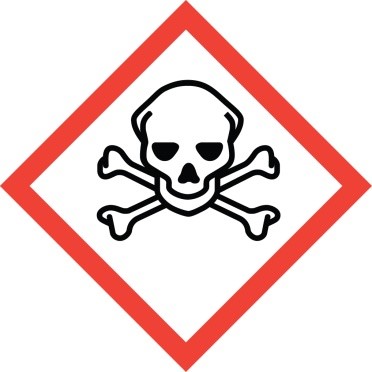
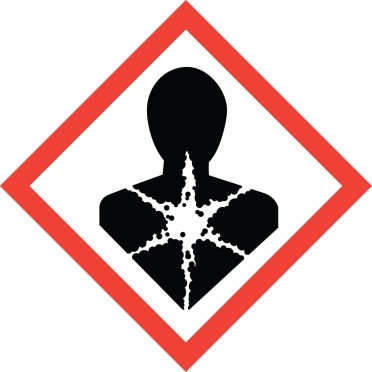
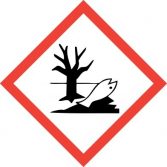
Hazard Statements
H300: Fatal if swallowed.
H330: Fatal if inhaled.
H373: May cause damage to organs through prolonged or repeated exposure. H411: Toxic to aquatic life with long lasting effects.
Additional Hazard – Radioactive Material
This product contains uranium and may present an ionizing-radiation and internal-contamination hazard, depending upon uranium isotopic composition and activity. The radiological hazard is separate from the GHS chemical hazard classification and must be controlled under the applicable NRC license, radiation-safety program, Radiation Safety Officer (RSO) procedures, and applicable federal and state requirements.
Precautionary Statements
P260: Do not breathe dust.
P264: Wash skin thoroughly after handling.
P270: Do not eat, drink or smoke when using this product.
P271: Use only outdoors or in a well-ventilated area.
P273: Avoid release to the environment.
P280: Wear protective gloves, protective clothing, and eye/face protection.
P284: Wear respiratory protection.
P301+P316: IF SWALLOWED: Get emergency medical help immediately.
P304+P340: IF INHALED: Remove person to fresh air and keep comfortable for breathing.
P316: Get emergency medical help immediately.
P319: Get medical help if you feel unwell.
P320: Specific treatment is urgently required.
P321: Specific treatment is required.
P330: Rinse mouth.
P391: Collect spillage.
P403+P233: Store in a well-ventilated place. Keep container tightly closed.
P405: Store locked up.
P501: Dispose of contents/container in accordance with applicable federal, state, local, NRC, radioactive-material, and institutional requirements.
SECTION 3: COMPOSITION / INFORMATION ON INGREDIENTS
Substance: Potassium Uranyl Sulfate
Chemical Formula: K₂(UO₂)(SO₄)₂
CAS Number: 27709-53-1
Molecular Weight: 540.35 g/mol for the anhydrous formula.
SECTION 4: FIRST-AID MEASURES
Inhalation: Immediately remove the affected person to fresh air. Keep the person at rest in a position comfortable for breathing. If breathing is difficult, administer oxygen by trained personnel when appropriate. If the person is not breathing, provide artificial respiration by trained personnel. Obtain immediate medical attention. Notify the Radiation Safety Officer if inhalation of radioactive material may have occurred.
Skin Contact: Remove contaminated clothing. Wash affected skin thoroughly with soap and water. Continue washing for at least 15 minutes. Seek medical attention if irritation or other symptoms develop. Contaminated clothing should be handled according to applicable radiological contamination-control procedures.
Eye Contact: Immediately flush eyes with large amounts of water for at least 15 minutes. Remove contact lenses if present and easy to do. Continue rinsing. Seek medical attention.
Ingestion: Rinse mouth thoroughly with water. Do not induce vomiting unless directed by medical personnel. Never give anything by mouth to an unconscious person. Immediately obtain medical attention or contact a Poison Center. Medical treatment for acute chemical exposure takes priority in a life-threatening emergency. Notify the Radiation Safety Officer if radioactive material intake may have occurred.
Most Important Symptoms and Effects: Significant exposure to soluble uranium compounds may result in systemic toxicity, particularly involving the kidneys. Inhalation of uranium-containing dust may cause respiratory irritation and may result in internal radioactive contamination. Ingestion may result in systemic uranium toxicity and internal radioactive exposure.
Indication of Immediate Medical Attention: Immediate medical evaluation is recommended following significant ingestion or inhalation. Radiological intake should be evaluated by qualified radiation-safety personnel.
SECTION 5: FIREFIGHTING MEASURES
Suitable Extinguishing Media: Use extinguishing media appropriate for the surrounding fire. Suitable media may include dry chemicals, carbon dioxide, water spray, water fog, and foam.
Unsuitable Extinguishing Media: No specific extinguishing medium is identified as universally unsuitable. Avoid firefighting methods that unnecessarily disperse radioactive or contaminated dust.
Specific Hazards: The material is not expected to ignite readily under normal conditions. Heating may cause decomposition and formation of uranium-containing particulate matter or other hazardous decomposition products. Radioactivity does not materially alter the basic fire-control techniques required for the surrounding fire.
Special Protective Equipment for Firefighters: Firefighters should wear positive-pressure self-contained breathing apparatus (SCBA) and appropriate protective equipment when entering areas where airborne radioactive contamination or decomposition products may be present. Prevent contaminated firefighting water from entering drains or waterways. Notify the Radiation Safety Officer when radioactive contamination is involved.
SECTION 6: ACCIDENTAL RELEASE MEASURES
Personal Precautions: Restrict access to the affected area. Avoid contact with spilled material. Avoid generating dust. Do not breathe dust. Use appropriate chemical and radiological protective equipment. Notify the Radiation Safety Officer.
Environmental Precautions: Prevent material from entering drains, sewers, soil, or surface waters. Avoid uncontrolled release to the environment.
Methods for Containment and Cleanup: Avoid dry sweeping or other methods that may aerosolize the material. Do not use compressed air for cleanup. Carefully collect solid material using methods that minimize dust generation. Use appropriate HEPA-filtered equipment where applicable. Place recovered material into a suitable, closed, properly labeled container. Survey affected surfaces for radioactive contamination. Decontaminate affected areas according to applicable radiation-safety procedures. Treat recovered material, absorbents, and cleanup materials as potentially radioactive until properly characterized.
SECTION 7: HANDLING AND STORAGE
Precautions for Safe Handling: Handle only by trained personnel. Avoid generating dust. Do not breathe dust. Avoid ingestion and unnecessary contact with skin and eyes. Use appropriate local exhaust ventilation. Handle powders in an appropriate chemical fume hood or equivalent containment system. Do not eat, drink, smoke, or apply cosmetics while handling the material. Wash hands thoroughly after handling. Maintain appropriate radioactive-material contamination controls.
Conditions for Safe Storage: Store in a tightly closed, properly labeled container. Store in a cool, dry location. Protect the container from physical damage. Store in a designated radioactive-material storage area. Restrict access to trained personnel. Store separately from incompatible materials. Maintain appropriate radiation-safety controls.
Incompatible Materials: Avoid strong reducing agents, strong oxidizing agents, and materials known to react with uranyl or sulfate compounds. Avoid conditions that may result in uncontrolled chemical decomposition.
SECTION 8: EXPOSURE CONTROLS / PERSONAL PROTECTION
Occupational Exposure Limits – Uranium, soluble compounds, as U: OSHA PEL: 0.05 mg/m³, 8-hour TWA. NIOSH REL: 0.05 mg/m³, 8-hour TWA. ACGIH TLV: 0.2 mg/m³, 8-hour TWA, soluble compounds, as U.
OSHA identifies a 0.05 mg/m³ 8-hour TWA PEL for soluble uranium compounds. NIOSH lists a 0.05 mg/m³ TWA REL; OSHA/NIOSH information also identifies uranium as a carcinogenic hazard and NIOSH lists an IDLH of 10 mg/m³. These limits should be applied together with the site-specific radiation protection program and applicable radiological controls.
Engineering Controls: Use local exhaust ventilation sufficient to maintain airborne uranium concentrations below applicable occupational exposure limits. Handle powdered material in a properly functioning chemical fume hood or equivalent containment system. Where airborne radioactive contamination may occur, use appropriate radiological containment and HEPA filtration. Maintain appropriate radiation and contamination monitoring.
Respiratory Protection: Respiratory protection shall not be used as a substitute for adequate engineering controls. Where airborne concentrations may exceed applicable exposure limits or airborne radioactive contamination may occur, use a NIOSH-approved respirator selected under a written respiratory-protection program. For emergency or unknown concentrations, use positive-pressure SCBA.
Hand Protection: Wear appropriate chemical-resistant protective gloves. Glove selection should consider breakthrough time, permeation, degradation, and manufacturer recommendations. Used gloves potentially contaminated with radioactive material shall be handled as radioactive waste or contamination according to applicable procedures.
Eye Protection: Wear chemical safety goggles or other appropriate eye protection that prevents particulate material from entering the eyes. A face shield should be used where there is potential for significant exposure.
Skin and Body Protection: Wear appropriate protective clothing, laboratory coat, or disposable protective overgarments as required by the radiation-safety program. Contaminated protective clothing shall be handled according to applicable radioactive-contamination procedures.
Radiological Protection: Follow Radiation Safety Officer requirements concerning personnel dosimetry, contamination monitoring, controlled areas, protective clothing, respiratory protection, radioactive-material handling, and internal-dose monitoring, where applicable.
SECTION 9: PHYSICAL AND CHEMICAL PROPERTIES
Physical State: Solid
Appearance: Greenish-yellow crystals
Odor: No odor information available
Chemical Formula: K₂(UO₂)(SO₄)₂
Molecular Weight: 540.35 g/mol
pH: Not applicable to the dry solid
Melting Point/Freezing Point: No product-specific value available
Boiling Point: No product-specific value available; decomposition may occur before boiling
Flash Point: Not applicable
Flammability: Not readily flammable
Vapor Pressure: Not applicable/negligible under normal conditions
Relative Density: 2.890 g/cm³, according to current IBI product information
Solubility: Very soluble in water
Partition Coefficient: No applicable information available
Auto-Ignition Temperature: No applicable information available
Decomposition Temperature: No product-specific value available
Viscosity: Not applicable
Explosive Properties: No information indicating explosive properties under normal conditions
Oxidizing Properties: No information establishing classification as an oxidizing solid
SECTION 10: STABILITY AND REACTIVITY
Reactivity: No hazardous reaction is expected under normal conditions of use and storage.
Chemical Stability: Stable under recommended storage conditions.
Possibility of Hazardous Reactions: Hazardous reactions are not expected under normal conditions.
Conditions to Avoid: Avoid excessive heat, physical damage, contamination, and conditions that generate airborne dust.
Incompatible Materials: Avoid strong reducing agents, strong oxidizing agents, and materials known to react with uranium compounds.
Hazardous Decomposition Products: Thermal decomposition may produce uranium-containing oxides or other uranium-containing particulate matter. The specific decomposition products depend upon temperature and surrounding conditions.
SECTION 11: TOXICOLOGICAL INFORMATION
Likely Routes of Exposure: Inhalation; ingestion; skin contact; eye contact.
Acute Toxicity: Soluble uranium compounds are associated with significant acute toxicity following ingestion and inhalation. Acute Toxicity Category 2 by oral and inhalation routes.
Skin Corrosion/Irritation: No product-specific data establishing skin corrosion is available. Direct contact with particulate material may cause mechanical irritation.
Serious Eye Damage/Eye Irritation: Direct contact may cause mechanical irritation. No product-specific data establishing irreversible eye damage is available.
Respiratory Sensitization: No product-specific information available.
Skin Sensitization: No product-specific information available.
Germ Cell Mutagenicity: No definitive product-specific information available.
Carcinogenicity: OSHA and NIOSH occupational information identifies uranium as a carcinogenic hazard and recommends minimizing exposure.
Reproductive Toxicity: No definitive product-specific information available.
Specific Target Organ Toxicity – Single Exposure: Significant exposure to soluble uranium compounds may result in systemic toxicity, particularly involving the kidneys.
Specific Target Organ Toxicity – Repeated Exposure: Repeated exposure to uranium compounds may cause damage to organs, particularly the kidneys. STOT-Repeated Exposure Category 2.
Aspiration Hazard: Not applicable to a solid.
Radiological Toxicity: Depending upon uranium isotopic composition and activity, inhalation or ingestion may result in internal radiation exposure. Radiological dose and internal contamination must be evaluated in accordance with the applicable radiation-safety program.
SECTION 12: ECOLOGICAL INFORMATION
Ecotoxicity: Uranium compounds may be toxic to aquatic organisms and may cause long-lasting environmental effects.
Persistence and Degradability: The inorganic compound is not expected to biodegrade. Uranium chemical speciation may change under environmental conditions.
Bioaccumulative Potential: No product-specific information available.
Mobility in Soil: Mobility depends on chemical form, pH, mineral composition, and environmental conditions.
Other Adverse Effects: Uncontrolled release may result in chemical and radioactive contamination. Prevent release into the environment.
SECTION 13: DISPOSAL CONSIDERATIONS
Dispose of potassium uranyl sulfate as regulated radioactive material and/or hazardous chemical waste, as applicable. Do not dispose of the material in ordinary household, municipal, or laboratory trash. Do not discharge into drains, sewers, or waterways. Disposal must comply with applicable federal, state, local, NRC, radioactive-material license, and institutional requirements. Contaminated containers, PPE, absorbents, and cleanup materials shall be evaluated and managed in accordance with applicable radioactive-waste procedures. Do not reuse contaminated containers.
SECTION 14: TRANSPORT INFORMATION
U.S. DOT: Proper Shipping Name, UN Number, Hazard Class, Packing Group, and any radioactive-material exceptions must be determined on a shipment-specific basis by a qualified dangerous-goods/radioactive-material shipper using the actual isotope, specific activity, fissile status, quantity, form, package, and applicable current 49 CFR requirements.
IATA/ICAO/IMDG: Air and sea transport classifications and packaging requirements must be evaluated separately under the applicable current modal regulations.
Special Precautions: Radioactive-material packaging, marking, labeling, shipping papers, package surveys, and carrier requirements must be satisfied before shipment. The shipper is responsible for determining the final shipping description, package, labeling, marking, documentation, and activity limits.
SECTION 15: REGULATORY INFORMATION
United States – OSHA: Hazard Communication Standard, 29 CFR 1910.1200. OSHA PEL for uranium, soluble compounds: 0.05 mg/m³, 8-hour TWA, as U.
DOT/PHMSA: Transportation of radioactive material is regulated under 49 CFR Parts 171-180, as applicable.
NRC: Uranium-containing radioactive material may be subject to NRC requirements and the conditions of the applicable radioactive-material license.
Additional Regulatory Considerations: Regulatory requirements may depend upon uranium isotopic composition, enrichment, activity, quantity, chemical form, intended use, possession limits, distribution requirements, and applicable radioactive-material license. Users and recipients are responsible for compliance with applicable federal, state, local, NRC, and institutional requirements.
SECTION 16: OTHER INFORMATION
Copyright © 2015 International Bio-Analytical Industries, Inc.
Permission is granted to make unlimited paper copies for internal use only.
International Bio-Analytical Industries, Inc. requires recipients of its materials to comply with 29 CFR 1910.1200(h), which mandates that employers provide employees with effective information and training on hazardous chemicals present in the workplace.
The information contained in this Safety Data Sheet is believed to be accurate as of the date of revision and is provided in good faith. However, this information is intended to serve as a guide only, and recipients are encouraged to exercise independent judgment regarding its accuracy, completeness, and suitability for their specific applications. International Bio-Analytical Industries, Inc., shall not be held liable for any direct or indirect damage resulting from the use of this information.
International Bio-Analytical Industries, Inc. makes no warranties, express or implied, including, but not limited to, warranties of merchantability or fitness for a particular purpose. This information is provided without warranty, and any use of the product that does not conform to this Safety Data Sheet, or that is used in combination with any other product or process, is the sole responsibility of the user.
Revision Date: 09/02/2026