1. IDENTIFICATIONProduct Identifier
Product Name: Uranyl Chloride Trihydrate
Chemical Name: Uranyl chloride trihydrate
Synonyms: Uranium oxychloride trihydrate, Uranyl dichloride trihydrate
Chemical Formula: UO₂Cl₂·3H₂O
Molecular Weight: 340.95 g/mol (verify against your certificate of analysis before final publication)
CAS Number: 13867-67-9
Recommended Use: Laboratory reagent, analytical standard, research and development, industrial manufacturing, and licensed radioactive material applications.
Restrictions on Use: For professional use only. Not for food, drug, household, or consumer applications.
Supplier
International Bio-Analytical Industries, Inc.
3495 N. Dixie Hwy., Unit 8
Boca Raton, FL 33431
Emergency Telephone Numbers
INFOTRAC
USA & Canada contact number: 1-800-535-5053
International contact number: 1-352-323-3500
2. HAZARDS IDENTIFICATION
Classification according to OSHA Hazard Communication Standard (29 CFR 1910.1200)
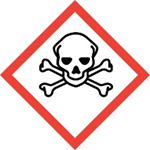
Acute Toxicity (Oral), Category 2
Acute Toxicity (Inhalation), Category 2
Specific Target Organ Toxicity – Repeated Exposure (Kidneys), Category 2
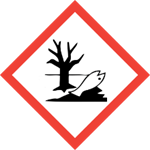
Hazardous to the Aquatic Environment
Acute Category 2
Chronic Category 2
Signal Word
DANGER
Hazard Statements:
H300 Fatal if swallowed.
H330 Fatal if inhaled.
H373 May cause damage to kidneys through prolonged or repeated exposure.
H401 Toxic to aquatic life.
H411 Toxic to aquatic life with long lasting effects.
Precautionary Statements:
Prevention
P260 Do not breathe dust or aerosols.
P264 Wash thoroughly after handling.
P270 Do not eat, drink, or smoke when using this product.
P271 Use only outdoors or in a well-ventilated area.
P273 Avoid release to the environment.
P284 Wear appropriate respiratory protection when ventilation is inadequate.
P280 Wear protective gloves, protective clothing, and eye/face protection.
Response:
P301 + P310 IF SWALLOWED: Immediately call a POISON CENTER or physician.
P330 Rinse mouth.
P304 + P340 IF INHALED: Remove person to fresh air and keep comfortable for breathing.
P310 Immediately call a POISON CENTER or physician.
P391 Collect spillage.
Storage:
P403 + P233 Store in a well-ventilated place. Keep container tightly closed.
P405 Store locked up.
Store in accordance with applicable NRC or Agreement State radioactive material requirements.
Disposal:
P501 Dispose of contents and container in accordance with local, state, federal, NRC, DOT, EPA, and applicable radioactive waste regulations.
Other Hazards:
This material contains uranium and is radioactive.
Ionizing radiation hazards are regulated separately from OSHA’s Hazard Communication Standard and must be managed in accordance with applicable Nuclear Regulatory Commission (NRC) or Agreement State regulations.
Exposure to radioactive material should be maintained As Low As Reasonably Achievable (ALARA).
3. COMPOSITION / INFORMATION ON INGREDIENTS
Component
CAS Number
EC Number
Concentration
Uranyl chloride trihydrate (UO₂Cl₂·3H₂O)
13867-67-9
Not assigned
≥99%
Chemical Formula: UO₂Cl₂·3H₂O
Molecular Weight: 340.95 g/mol (verify prior to final release with your product specification or CoA)
Impurities: No impurities known to contribute to the hazard classification when present within product specifications.
Notes: Radioactivity is not classified as a GHS health hazard under OSHA 29 CFR 1910.1200. It is therefore addressed separately under “Other Hazards.”
Radiological controls are governed by the U.S. Nuclear Regulatory Commission (NRC), Agreement State regulations, and applicable transportation requirements.
4. FIRST AID MEASURESDescription of First Aid Measures
General Advice: Remove the exposed person from further exposure. Seek immediate medical attention for all significant exposures. Show this Safety Data Sheet to the attending physician. Personnel providing assistance should avoid becoming contaminated.
If Inhaled: Remove the victim to fresh air immediately. Keep at rest in a position comfortable for breathing. Administer oxygen if breathing is difficult by trained personnel. If breathing has stopped, provide artificial respiration by trained personnel. Immediately contact a Poison Center or physician. Monitor for delayed pulmonary and renal effects.
In Case of Skin Contact: Remove contaminated clothing and shoes immediately. Wash affected skin thoroughly with soap and water for at least 15 minutes. Obtain medical attention if irritation develops or contamination is significant. Wash contaminated clothing before reuse.
In Case of Eye Contact: Immediately flush eyes with large amounts of water for at least 15 minutes while holding eyelids open. Remove contact lenses if present and easy to do. Continue rinsing. Seek immediate ophthalmologic evaluation.
If Swallowed: Call a Poison Center or physician immediately. Rinse mouth thoroughly with water. Do not induce vomiting unless directed by medical personnel. Never give anything by mouth to an unconscious person.
Most Important Symptoms and Effects
Acute Effects:
Severe toxicity if inhaled or swallowed
Irritation of the respiratory tract
Eye irritation
Gastrointestinal distress
Nausea
Vomiting
Abdominal pain
Delayed Effects:
Kidney damage (primary target organ)
Heavy metal toxicity
Possible liver effects
Radiological internal contamination if absorbed
Indication of Immediate Medical Attention:
Treat symptomatically.
Because uranium compounds are nephrotoxic, monitor: Renal function, urine output, electrolyte balance.
If significant internal contamination is suspected, consult a physician experienced in radiological medicine.
5. FIREFIGHTING MEASURES
Suitable Extinguishing Media:
Use extinguishing media appropriate for surrounding materials.
Suitable media include: Water spray, dry chemical, carbon dioxide.
Alcohol-resistant foam
Unsuitable Extinguishing Media: No known restrictions.
Specific Hazards:
This material is not combustible.
Heating may produce hazardous decomposition products including:
Hydrogen chloride
Uranium oxides
Toxic metal fumes
Containers exposed to fire may rupture due to heat.
Special Protective Equipment
Firefighters should wear:
Self-contained breathing apparatus (SCBA)
Full chemical protective clothing
Prevent contaminated firefighting runoff from entering drains or waterways.
Collect contaminated water for proper radioactive waste disposal.
6.ACCIDENTAL RELEASE MEASURES
Personal Precautions:
Evacuate unnecessary personnel.
Wear appropriate PPE.
Avoid generating dust.
Avoid inhalation.
Ensure adequate ventilation.
Restrict access until cleanup is complete.
Environmental Precautions
Prevent release into drains, sewers, groundwater, or surface water.
Notify appropriate authorities if environmental contamination occurs.
Methods for Cleanup
Small spills:
Carefully collect using damp disposable towels or HEPA-filtered vacuum equipment.
Avoid dry sweeping.
Large spills:
Isolate the area.
Minimize airborne dust.
Collect material using non-sparking tools.
Place waste into properly labeled radioactive waste containers.
Decontaminate affected surfaces using approved laboratory procedures.
Dispose of waste in accordance with NRC, EPA, DOT, and state regulations.
7. HANDLING AND STORAGEPrecautions for Safe Handling:
Handle only by trained personnel.
Avoid inhalation of dust.
Avoid skin and eye contact.
Use local exhaust ventilation.
Wash thoroughly after handling.
Do not eat, drink, or smoke while using this product.
Follow ALARA principles when handling radioactive materials.
Conditions for Safe Storage:
Store: Tightly closed, locked in a cool, dry, well-ventilated location
Protect from: Moisture, incompatible chemicals, physical damage.
Maintain inventory in accordance with applicable radioactive material license requirements.
Incompatible Materials
Avoid contact with: Strong reducing agents, strong acids, strong bases, combustible materials, and reactive metals.
8. EXPOSURE CONTROLS / PERSONAL PROTECTIONOccupational Exposure Limits
Occupational exposure limits for soluble uranium compounds should be maintained below applicable regulatory limits.
Agency
Exposure Limit
OSHA PEL (soluble uranium compounds as U)
0.05 mg/m³ TWA
ACGIH TLV
0.2 mg/m³ TWA (soluble uranium compounds, as U)
NIOSH REL
0.05 mg/m³ TWA
Users should verify current occupational exposure limits applicable to their jurisdiction.
Engineering Controls
Use:
Certified chemical fume hood
Local exhaust ventilation
HEPA filtration where dust may be generated
Emergency eyewash station
Safety shower
Radiological work should be performed in accordance with the facility Radiation Protection Program.
Personal Protective Equipment
Eye Protection:
Chemical splash goggles meeting ANSI Z87.1
Face shield when splash hazards exist
Skin Protection: Wear laboratory coat, long pants, closed-toe shoes.
Nitrile gloves (minimum 0.11 mm thickness). Replace contaminated gloves immediately.
Respiratory Protection:
Where engineering controls are insufficient:
Use a NIOSH-approved respirator equipped with:
P100 particulate filters
For higher airborne concentrations or emergency response:
Positive-pressure supplied-air respirator
Self-contained breathing apparatus (SCBA)
Respirator selection should comply with OSHA 29 CFR 1910.134.
Hygiene Measures:
Wash hands thoroughly after handling.
Remove contaminated clothing before leaving the work area.
Do not eat, drink, or smoke in work areas.
Monitor work surfaces routinely for radioactive contamination where applicable.
9. PHYSICAL AND CHEMICAL PROPERTIES
Property
Value
Appearance
Yellow to yellow-green crystalline solid
Physical State
Solid
Odor
Odorless
Odor Threshold
No data available
pH
No data available (aqueous solutions are acidic)
Melting Point / Freezing Point
Decomposes upon heating; no definitive melting point available
Initial Boiling Point
Not applicable (solid)
Flash Point
Not applicable
Evaporation Rate
Not applicable
Flammability
Non-combustible
Upper/Lower Flammability Limits
Not applicable
Vapor Pressure
Negligible
Vapor Density
Not applicable
Relative Density
Approximately 3.3–3.5 (literature values vary)
Solubility
Soluble in water; soluble in dilute mineral acids
Partition Coefficient (log Kow)
No data available
Auto-ignition Temperature
Not applicable
Decomposition Temperature
No data available
Viscosity
Not applicable
Explosive Properties
Not explosive
Oxidizing Properties
Not classified as an oxidizer under GHS
10. STABILITY AND REACTIVITY
Reactivity: No dangerous reactions are known under normal conditions of use.
Chemical Stability: Stable under recommended storage conditions.
Possibility of Hazardous Reactions: Hazardous polymerization will not occur.
Conditions to Avoid:
Excessive heat
Moisture
Dust generation
Mechanical damage to containers
Incompatible Materials
Avoid contact with:
Strong reducing agents
Strong bases
Reactive metals
Strong oxidizing/reducing systems that may promote decomposition
Hazardous Decomposition Products
Thermal decomposition may produce:
Uranium oxides
Hydrogen chloride
Chlorine-containing gases
Toxic metal oxide fumes
11. TOXICOLOGICAL INFORMATION
Likely Routes of Exposure:
Inhalation
Ingestion
Skin contact
Eye contact
Symptoms Related to Exposure:
Inhalation
May cause: Severe respiratory irritation, coughing, shortness of breath, pulmonary irritation.
Dust inhalation may result in systemic absorption of uranium.
Skin Contact
May cause: Mild irritation, contamination leading to prolonged exposure; absorption through intact skin is generally limited but should be avoided.
Eye Contact
May cause: Severe irritation, redness, pain, excessive tearing.
Ingestion: Highly toxic.
Symptoms may include: Nausea, vomiting, abdominal pain, diarrhea. Kidney damage.
Delayed and Chronic Effects
Repeated or prolonged exposure may cause: Kidney injury (primary target organ), heavy metal toxicity.
Liver effects: Hematological changes following significant exposure.
Internal uptake of radioactive uranium contributes to long-term radiological dose in addition to chemical toxicity.
Acute Toxicity
Classified as:
Acute Oral Toxicity Category 2
Acute Inhalation Toxicity Category 2
Published toxicity values vary depending upon hydration state, purity, and experimental conditions.
Skin Corrosion/Irritation: Not expected to be corrosive.
May cause irritation after prolonged exposure.
Serious Eye Damage/Irritation: Causes serious eye irritation.
Respiratory or Skin Sensitization: No data indicating sensitization.
Germ Cell Mutagenicity: Insufficient data available.
Ionizing radiation may increase mutation risk following significant internal exposure.
Carcinogenicity: No component is listed by OSHA, NTP, or IARC as a chemical carcinogen at reportable concentrations.
Because this material contains uranium, chronic internal exposure to ionizing radiation may increase cancer risk. Radiological hazards are regulated separately from OSHA Hazard Communication requirements.
Reproductive Toxicity: Insufficient data available.
Specific Target Organ Toxicity
Single Exposure: No classification.
Repeated Exposure: Category 2
Target organ: Kidneys
Aspiration Hazard: Not applicable.
12. ECOLOGICAL INFORMATION
Toxicity: Toxic to aquatic organisms. Avoid uncontrolled environmental release.
Persistence and Degradability: Inorganic substance. Not biodegradable.
Bioaccumulative Potential: No reliable data available.
Uranium may accumulate in sediments depending upon environmental conditions.
Mobility in Soil: Water-soluble uranium compounds may migrate in soil and groundwater.
Migration depends upon: pH, carbonate concentration, soil composition, oxidation state.
Results of PBT and vPvB Assessment: Not applicable for inorganic substances.
Other Adverse Effects: Release of radioactive materials into the environment should be avoided.
Dispose of contaminated material in accordance with federal, state, and local regulations governing radioactive waste.
13. DISPOSAL CONSIDERATIONS
Disposal Methods:
Dispose of this material in accordance with all applicable federal, state, and local regulations.
Because this product contains uranium, disposal may also be subject to Nuclear Regulatory Commission (NRC) or Agreement State requirements.
Do not discharge into: Sanitary sewer systems, storm drains, surface waters, soil. Radioactive waste should be transferred only to properly licensed radioactive waste disposal facilities.
Contaminated Packaging:
Empty containers may retain hazardous residues.
Dispose of contaminated containers as radioactive hazardous waste unless they have been properly decontaminated in accordance with applicable regulations.
Applicable Regulations:
Dispose in accordance with applicable requirements including, where applicable:
U.S. EPA Resource Conservation and Recovery Act (RCRA)
U.S. Nuclear Regulatory Commission (10 CFR)
Agreement State Regulations
Department of Transportation (49 CFR)
14. TRANSPORT INFORMATION
Transportation classifications for uranium compounds cannot be assigned solely from the chemical identity. Classification depends on radionuclide activity, isotope composition, enrichment, quantity, package type, and whether the shipment qualifies as an excepted package. Therefore, the information below should be verified for each shipment by the Radiation Safety Officer (RSO) or HazMat shipping specialist before use.
U.S. DOT (49 CFR)
Transportation classification shall be determined according to: Radionuclide activity, package design, fissile status, transport index, exclusive use requirements (if applicable).
If shipped as an excepted package:
UN2910 Radioactive material, excepted package—limited quantity of material
If activity exceeds excepted package limits, another UN number and shipping description may apply.
IMDG Transport classification shall comply with current IMDG Code requirements for radioactive material.
IATA Transport classification shall comply with current IATA Dangerous Goods Regulations.
Environmental Hazards: Prevent release into the environment.
Special Precautions
Only trained personnel should prepare shipments.
Shipments must comply with:
DOT
IATA
IMDG
NRC
applicable state regulations
15. REGULATORY INFORMATION
OSHA This product is considered hazardous under: 29 CFR 1910.1200 Hazard Communication Standard.
TSCA Components are subject to applicable TSCA requirements or exemptions for radioactive materials.
SARA 311/312
Hazard Categories:
Acute Toxicity
Specific Target Organ Toxicity
Chronic Health Hazard
SARA 313 Users should determine reporting requirements based upon annual inventory and applicable threshold quantities.
CERCLA Users should verify current reportable quantities applicable to uranium compounds.
RCRA Waste characterization must be performed prior to disposal.
California Proposition 65 This product is not currently known to contain listed substances requiring Proposition 65 labeling solely on the basis of chemical composition.
Users should verify current state requirements.
NRC Possession, transfer, storage, use, and disposal of this product may require a specific radioactive materials license issued by the U.S. Nuclear Regulatory Commission or an Agreement State regulatory agency.
International Regulations: Follow all applicable regulations governing radioactive materials within the importing and exporting jurisdiction.
16. OTHER INFORMATION
HMIS Rating